

How to polish silver without damaging patina
Silver develops character over time. Gentle darkening in recessed details, around engraved lines and beneath handles can give a tray, teapot or candlestick visual depth that a bright, uniform finish cannot match. When you clean antique silver, the aim is not to make it look new. The better approach is to remove surface dirt and active tarnish while preserving the soft patina that reflects age, use and craftsmanship.
Start by deciding what should remain untouched
Patina is not the same as tarnish. Tarnish is a chemical reaction that can appear as a grey, brown, purple or black film on silver. Patina describes the mellow surface character created through years of careful handling, gentle cleaning and natural oxidation.
Before polishing, examine the piece in daylight. Darkening that sits evenly in decorative grooves may be desirable, particularly on ornate Victorian silver, repoussé work and engraved items. By contrast, patchy black areas, sticky residue or greenish deposits may need attention.
If you are unsure whether an object is solid silver, silver plate or another metal, examine its marks before choosing a cleaning method. Our guide on How to understand silver hallmarks and maker’s marks can help you identify the clues left by makers and assay offices. Silver plate needs particularly careful treatment because repeated polishing can eventually wear through its thin silver layer.
Avoid polishing pieces with intentionally oxidised decoration. Some modern and antique objects were designed with darkened accents, and removing them can alter the maker’s intended finish.
Use the mildest cleaning method first
For lightly tarnished silver, warm water and a small amount of mild washing-up liquid are often enough. Use a soft cotton cloth or a very soft natural-bristle brush, then rinse with clean water and dry immediately with a lint-free cloth.
This low-risk method removes dust, fingerprints and household grime without aggressively abrading the metal. Take care around wooden handles, ivory elements, glued fittings or porous materials such as mother-of-pearl. These components should not be soaked.
For more visible tarnish, choose a reputable silver polish or cream formulated for antique silver. Apply a tiny amount to a soft cloth rather than directly onto the object. Rub gently in straight, controlled strokes, using almost no pressure. Work over a small area at a time, then buff away residue with a separate clean cloth.
Less polish and less pressure generally produce a more attractive result. You can always repeat a gentle pass, while an over-polished surface cannot easily regain its original depth.
Never use abrasive scouring pads, toothpaste, baking soda paste, steel wool or rough paper towels. These materials create fine scratches that dull the reflective surface and flatten delicate engraving. Aluminium foil and bicarbonate cleaning baths are also best avoided for valued antiques. Although they can remove tarnish quickly, they may strip desirable surface toning and leave the silver looking unnaturally bright.
Protect engraved details and decorative surfaces
Ornate silver calls for patience. Raised flowers, chased borders and monograms collect polish residue, while deep crevices often hold the very shading that gives the piece character. Rather than rubbing every area to the same brightness, polish raised surfaces lightly and leave the darker recessed areas alone.
A soft toothbrush reserved for cleaning can be useful for gently lifting dust from decorative details. Use it dry, or barely dampened with mild soapy water. Do not scrub.
Mixed-material decorative objects require an even lighter touch. A silver-mounted ceramic jug, for example, should be cleaned in sections so that moisture does not sit where metal meets the ceramic body. The same attention to condition helps when assessing pottery, as explained in How to Spot Quality in Ceramic Pieces.
If your silver has a lacquer coating, do not polish it unless the coating has already failed and you understand the restoration process. Lacquered silver is meant to resist tarnishing, and conventional polish can damage or cloud the coating. Professional conservation advice is sensible for rare, highly valuable or historically significant pieces.
Store silver in ways that slow tarnish
Cleaning is only one part of preserving silver. Storage has a direct effect on how frequently you need to polish, and fewer polishing sessions mean less wear over time.
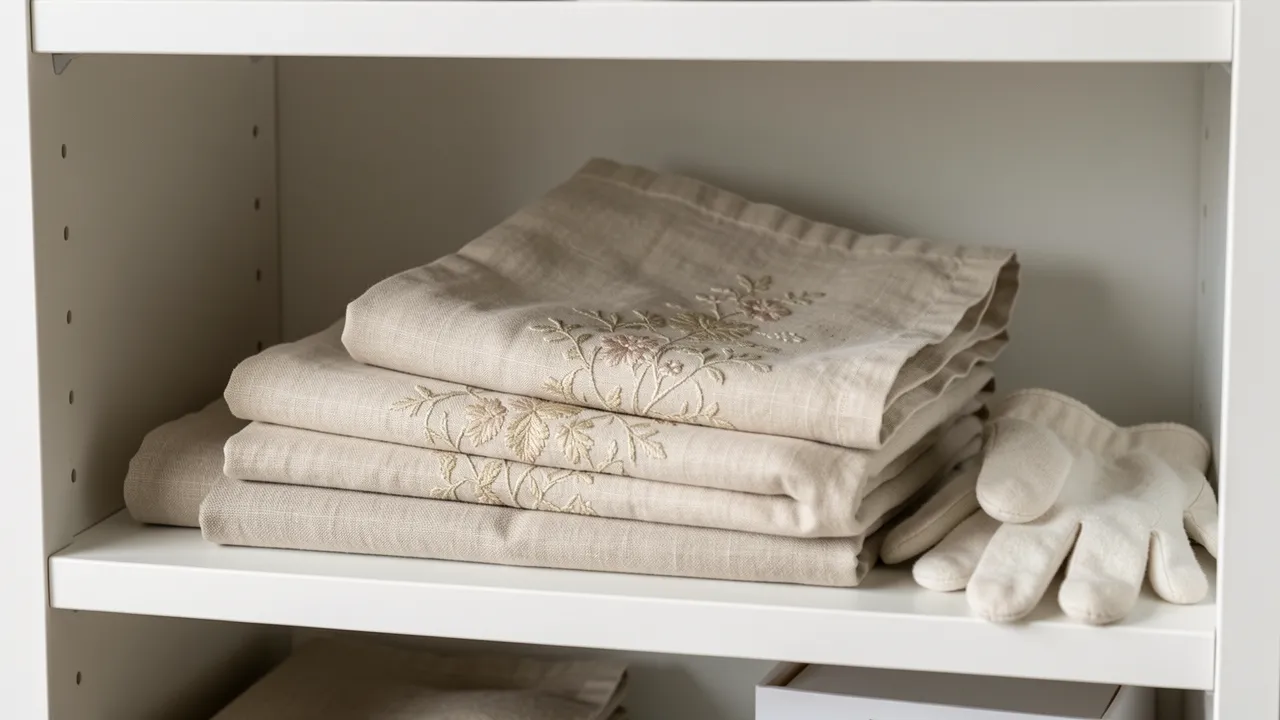
Keep silver dry and away from rubber, newspaper, cardboard and untreated wood, all of which can encourage tarnish. Wrap pieces individually in acid-free tissue or specially treated anti-tarnish cloth. For cutlery, anti-tarnish rolls or lined storage chests can reduce scratches and limit air exposure.
Display can also be practical. A well-positioned silver bowl or candlestick brings warmth to a room, particularly when balanced with ceramics, timber and textiles rather than placed in a crowded cabinet. If you are styling a darker room, Brightening a north-facing living room with Korean-inspired antiques offers ideas for using reflective and pale decorative elements with restraint.
Handle polished silver with clean, dry hands. Fingerprints contain oils and salts that can leave marks, especially on highly reflective surfaces. For cherished serving pieces, a quick wipe with a soft cloth after use is often enough.
Preserve the character of antique silver at home
A thoughtful silver-care routine protects both appearance and value. Your goal is a clean, quietly luminous surface, not a mirror-bright finish that removes every trace of age.
- Check hallmarks and construction before selecting a cleaning method.
- Wash lightly tarnished pieces with mild soap and warm water first.
- Use a specialist polish sparingly, with a soft cloth and gentle pressure.
- Leave darker tones in engraving, crevices and intentional oxidised details.
- Avoid abrasive home remedies and repeated heavy polishing.
- Store silver in dry, anti-tarnish materials to reduce future cleaning.
With measured care, antique silver retains its depth, detail and welcoming glow for years to come.