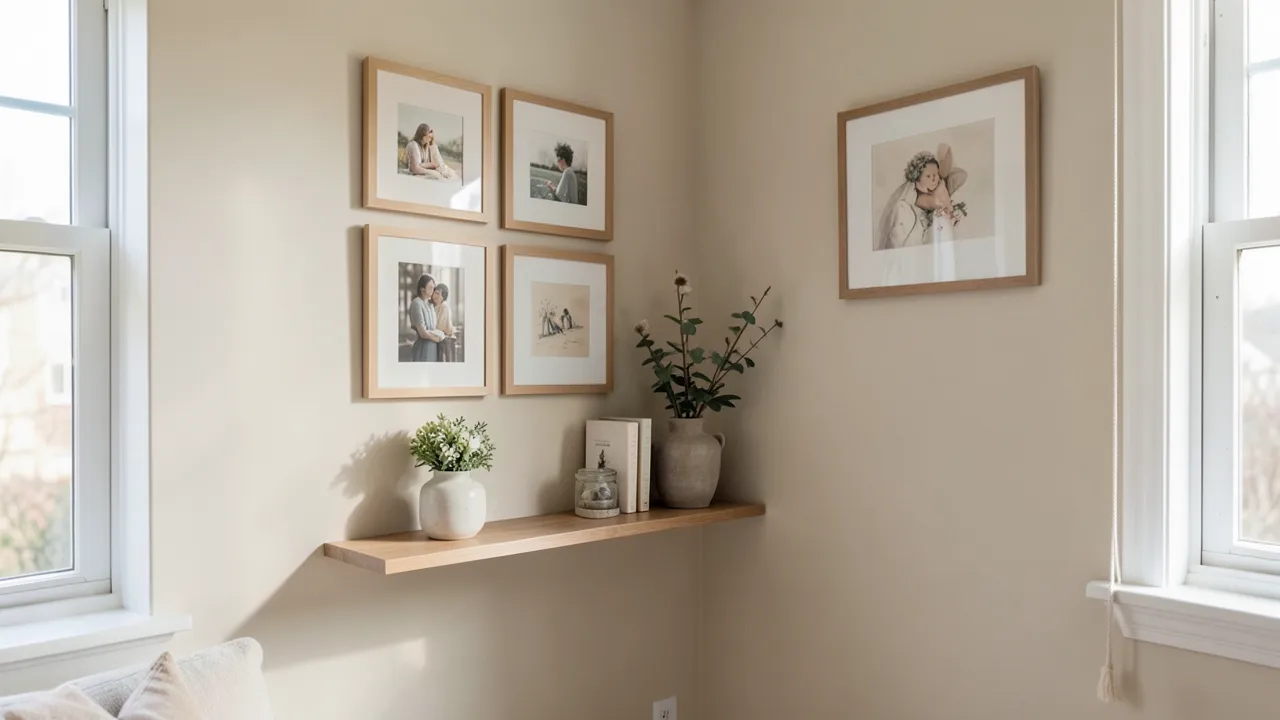


Brightening a north-facing living room with Korean-inspired antiques
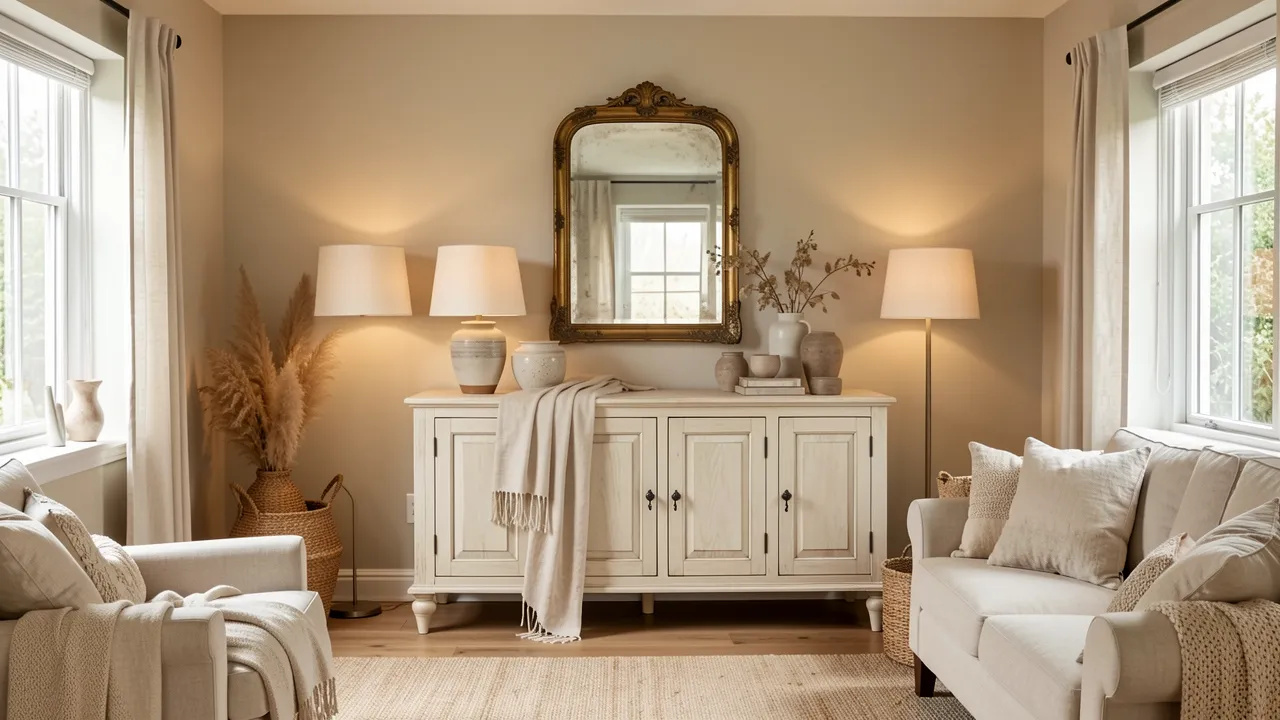
A dark, north-facing living room often receives cool, indirect daylight that can flatten colour and make even attractive furnishings appear subdued. A Korean-inspired approach offers a calm answer: restrained composition, natural materials, soft tonal contrasts and objects chosen for their quiet presence. When antique pieces are selected with care, they add history and warmth without turning the room into a heavy period interior.
Korean-inspired restraint can soften cool northern light
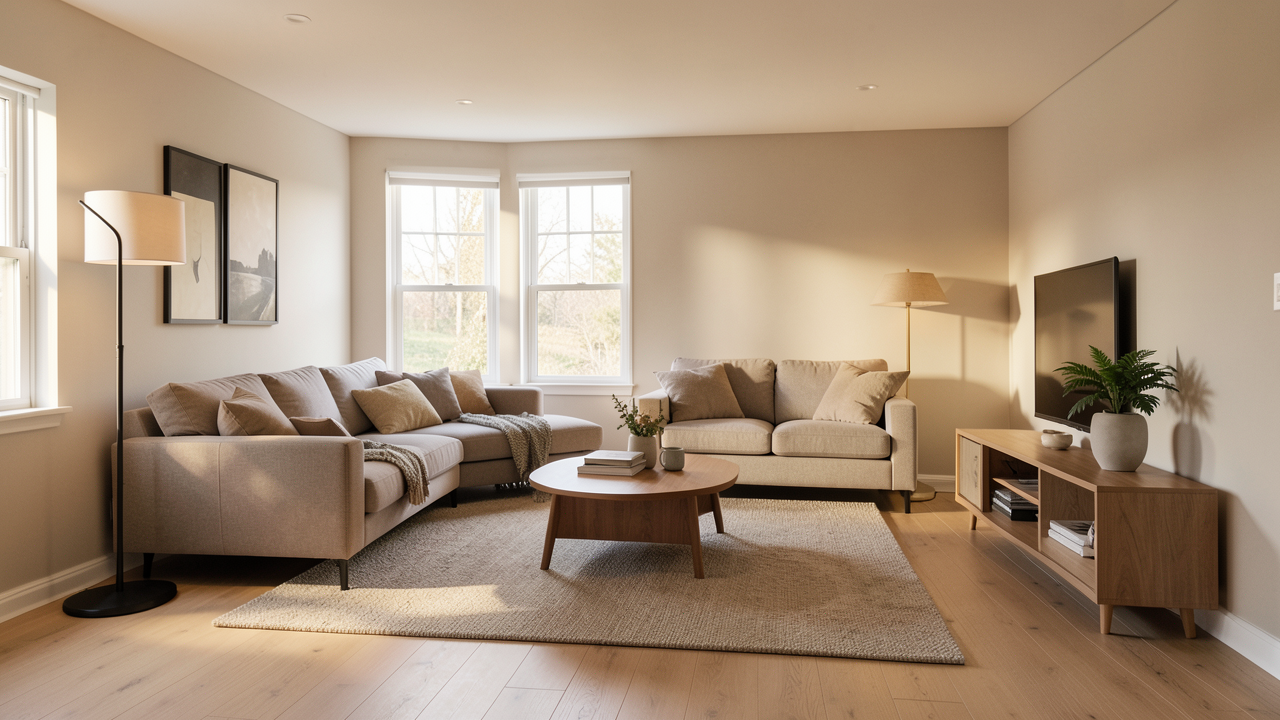
Korean interior style often favours rooms that feel composed rather than filled. Low visual clutter, breathable spacing and a limited palette allow daylight to travel farther across the room. For a north-facing living room, this restraint prevents the shadows created by large furniture and numerous accessories from dominating the atmosphere.
Start with pale, warm neutrals such as softened ivory, rice beige, muted clay or light mushroom grey. These shades retain more light than stark white, which may look blue or grey under northern exposure. A limewashed wall, a warm off-white paint or a textured paper finish can make the room feel more tactile while keeping the envelope light.
Furniture should sit slightly away from walls where possible. This creates slim channels of shadow and light around each item, helping the layout look intentional. Choose a few strong pieces rather than several small, unrelated ones. Visual breathing room is one of the most effective ways to make a compact or dim lounge feel brighter.
Antique objects can bring Korean-inspired character with subtlety
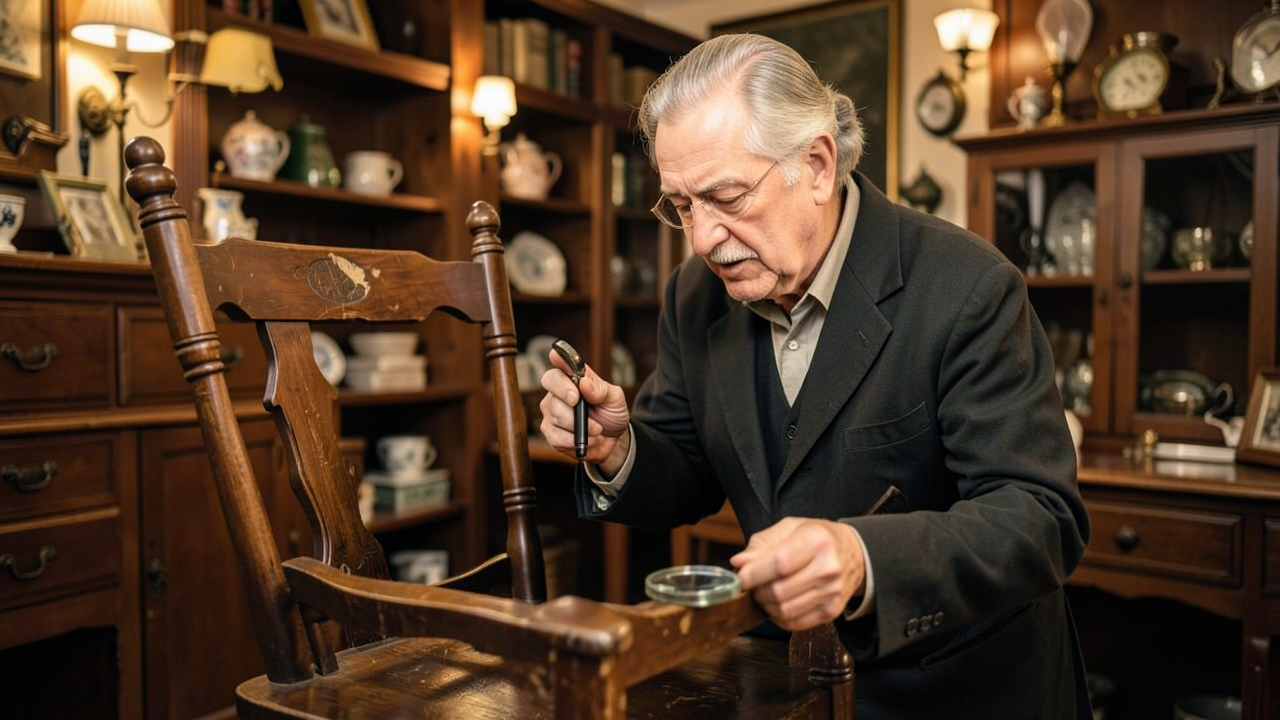
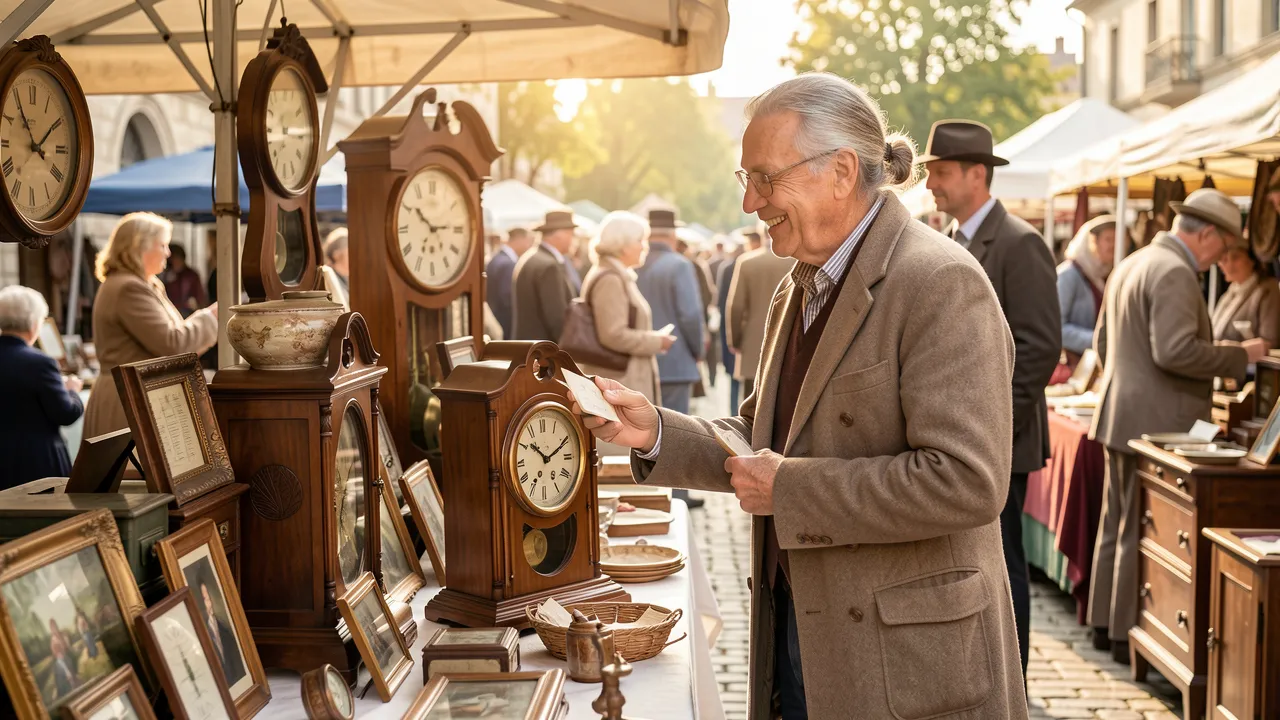
Korean-inspired decorating does not require reproducing a historic room. Instead, you can combine modest antique forms, natural finishes and handmade accents in a contemporary setting. For specialist ideas on antique decorative objects, wood finishes and collectible pieces that suit this direction, www.coreacolor.com offers a relevant reference point. Look for pieces whose appeal lies in grain, patina, glazing or proportion rather than ornate carving and high contrast colour. The most successful selections feel considered, useful and quietly distinctive.
A low antique chest can serve as a media unit, while a small wooden bench can become a coffee table or a display surface for books and ceramics. Avoid placing every antique piece along one wall. Distributing them across the room gives each object more presence and prevents a dense, dark visual block.
Light-toned antique wood keeps the room grounded but not heavy
Antique wood furniture has warmth that factory-made pale furniture sometimes lacks, yet its tone and scale matter greatly in a north-facing room. Seek elm, ash, pine, birch or lightly finished oak, especially pieces with honey, wheat or faded amber undertones. A worn surface with gentle variation can reflect more visual warmth than an opaque dark stain.
A simple cabinet with panelled doors, a narrow console or a low table with clean legs can work beautifully. Prioritise furniture that shows some space beneath it, because visible floor area makes the room feel less weighed down. If you own a dark antique sideboard that you love, balance it with a pale rug, a light wall behind it and a reflective object on top.
Scale and silhouette determine whether antiques feel calm
Bulky wardrobes, heavily carved armoires and deep mahogany dining furniture can absorb light, particularly when placed near the room’s darkest corners. Reserve these for larger rooms or use only one as a focal point. In a smaller living room, a shallow antique chest or slim display cabinet offers more practical storage with less mass.
You can also soften a substantial wood piece through surrounding materials. Place a linen-shaded lamp nearby, hang a pale textile above it, or position a rounded ceramic vessel beside it. Warm contrast, rather than strict matching, gives antique furniture a more relaxed and contemporary role.
Ceramics and textiles add softness without visual clutter
Handmade ceramics suit Korean-inspired rooms because their irregular surfaces catch light gently. Choose vessels in milk white, warm stone, celadon-like green, soft brown or charcoal with a matte finish. One large vessel on a console may have more impact than a cluster of small decorative objects.
Use ceramics as functional accents: a bowl for seasonal fruit, a tall vase with a single branch, or a lidded jar on a bookshelf. Keep surfaces partly empty so their texture remains visible. If you display a collection, group objects by tone or material rather than arranging many different colours together.
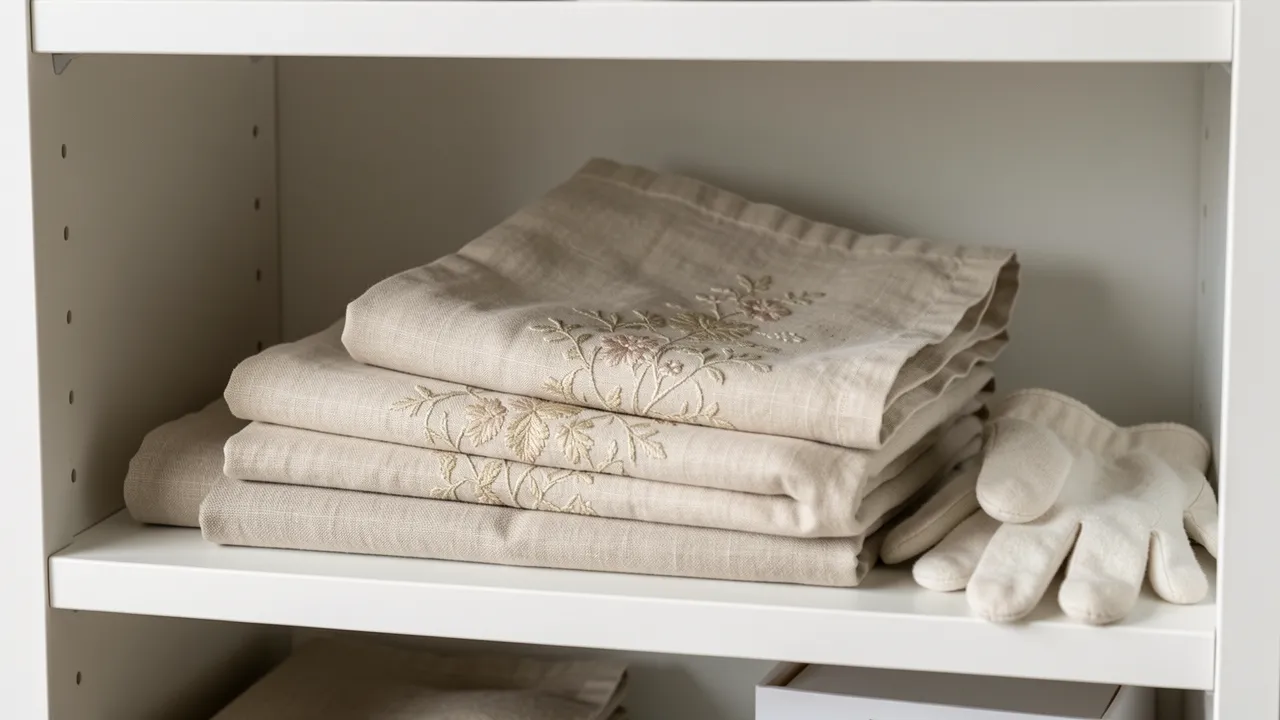
Textiles should bring comfort while maintaining a quiet palette. Washed linen curtains, cotton cushions, wool throws and woven rugs introduce layers that cool daylight cannot provide on its own. Choose oatmeal, tobacco, faded terracotta, warm grey and muted indigo in small doses. Floor-length curtains mounted close to the ceiling can also make a low or shadowed room feel more generous.
Reflective surfaces and layered lamps create usable brightness
Mirrors are especially useful in a north-facing living room when they reflect the clearest available light. Position a large antique or vintage mirror opposite a window, or place it on an adjacent wall angled toward the daylight. A lightly aged mirror can feel more appropriate than a flawless modern panel, provided its frame is slim and not excessively dark.
Reflective antique accessories can extend this effect. A brass tray, glazed ceramic lamp base, lacquered box or glass-fronted cabinet introduces small points of luminosity. Use these sparingly. Too many shiny surfaces can interrupt the serene quality that makes Korean-inspired decor appealing.
Layered lighting should replace reliance on a single ceiling fitting. Combine an ambient ceiling light with a floor lamp beside seating and a table lamp near an antique cabinet or reading chair. Select bulbs around 2700K for a warm, gentle glow. Fabric or paper shades diffuse light across pale walls and help antique wood appear richer rather than sombre.
A balanced room feels warm, light and collected
The aim is not to erase the character of a north-facing room, but to work with its naturally quiet mood. Pale surfaces, warm lamps and restrained antique accents can turn cool daylight into a backdrop for texture and craftsmanship. Let each piece earn its place, whether it is a low wooden chest, a hand-thrown vase or a softly aged mirror.
Keep these principles in mind when arranging the space:
- Choose light or warm-toned antique wood with simple silhouettes.
- Limit dark, bulky furniture to one carefully balanced focal piece.
- Use pale walls, linen textiles and natural rugs to lift shadowed areas.
- Place mirrors and reflective accessories where they can catch window or lamp light.
- Group ceramics thoughtfully, leaving empty space around meaningful objects.
- Add several warm light sources at different heights for comfort after daylight fades.
How to create a softly lit Korean-inspired living room
A successful scheme relies on moderation. Let natural texture, quiet colour and carefully selected antiques carry the room’s personality. With fewer, better pieces and a thoughtful lighting plan, your north-facing living room can feel intimate, welcoming and visually bright throughout the day.
Frequently asked questions
Can dark antique furniture work in a north-facing living room?
Yes, if you use it in limited amounts. Place one dark piece against a pale wall, surround it with lighter textiles and add a lamp or mirror nearby to prevent it from becoming visually heavy.
What colours are best for a Korean-inspired dark living room?
Warm off-white, beige, soft taupe, light clay, muted green and faded brown work well. These tones create depth without making the room colder or more enclosed.
Should you use many Korean-inspired decorative objects?
No. Choose a small number of ceramics, wood pieces and textiles with visible craftsmanship. A restrained arrangement creates more calm and allows each object to contribute to the room’s warmth.