

How to identify an antique piece before you buy
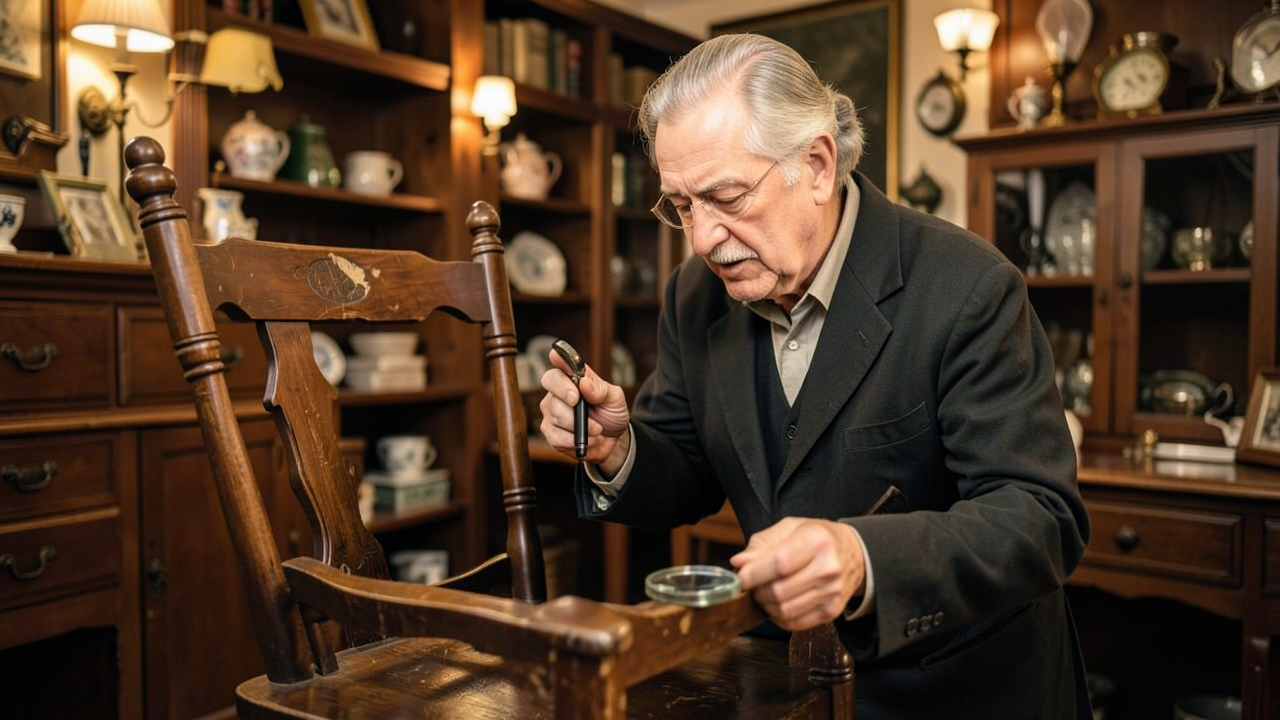
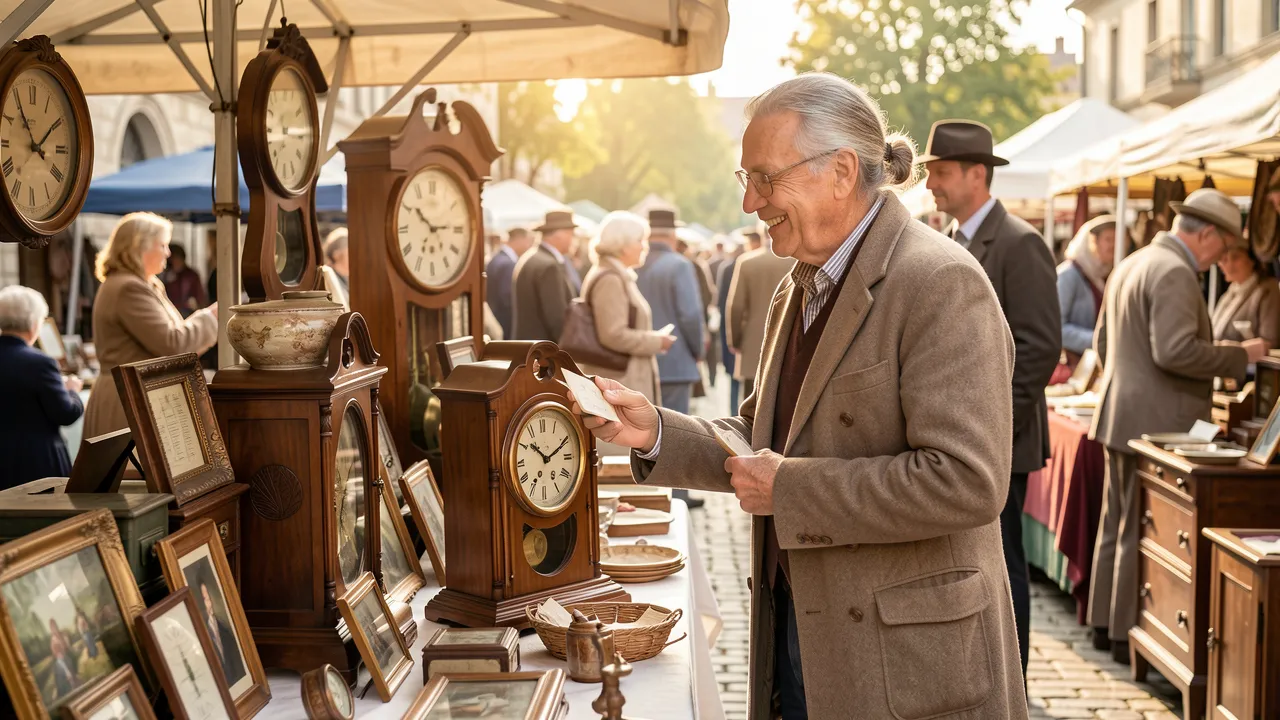
Buying antiques can be one of the most rewarding ways to furnish a home with character, history, and craftsmanship. I have always found that the real pleasure lies not only in owning a beautiful object, but in understanding what it is, where it came from, and whether it deserves the label “antique.” That last point matters more than many people think. A piece may look old, but age alone does not guarantee authenticity, value, or desirability. If you want to buy with confidence, you need a practical approach to antique identification before you hand over your money.
Start with the Object’s Age and Construction
When I look at a possible antique, I begin with the obvious: how it is made. Hand-cut joinery, uneven wear, and traditional materials often reveal more than an auction label ever could. Machine-made uniformity usually points to a later date, while handwork often suggests earlier production.
Check for handmade details
A true antique often shows small imperfections that reflect human craftsmanship. You might notice:
- Slight asymmetry in carving or turning
- Irregular tool marks on the underside or back
- Hand-cut dovetail joints
- Wear patterns that make sense for the object’s use
If a chest or table looks too perfect, that can be a warning sign. I prefer to inspect the back, base, and hidden areas, since those places are less likely to have been polished for display.
Look at materials and aging
Older furniture and decorative objects were made from materials that age differently than modern reproductions. Early woods, old glass, hand-painted ceramics, and natural patinas can offer clues. For instance, genuine age often shows in softened edges, a deepened tone in wood, or slight crazing in glaze. Still, aging can be faked, so I treat these signs as evidence, not proof.
Read the Marks and Signatures Carefully
One of the most useful tools in antique identification is the study of marks and signatures. I always check for stamps, labels, maker’s marks, monograms, and inscriptions, but I never rely on them alone.
What to look for
Marks can appear in several forms:
- Manufacturer’s stamps on furniture, ceramics, or silver
- Handwritten signatures on prints, paintings, or books
- Registration numbers or patent marks
- Retail labels or export tags
- Hallmarks on precious metals
These markings can help you date a piece, identify the maker, or confirm origin. However, reproduction marks exist, and some items were later relabeled by dealers. I verify the mark against trusted references whenever possible.
Signatures are not always enough
A signature may look convincing, but it could be added later or copied from another work. On prints and artwork, I consider paper, ink, technique, and provenance together. On furniture and decorative objects, I ask whether the mark fits the period and the object’s style. A signature that seems out of place deserves extra scrutiny.
Study Style, Form, and Wear
If you want to know how to tell if an item is antique, you need to look beyond labels and focus on style. Design trends changed over time, and authentic pieces usually reflect the tastes and technologies of their era.
Compare design features
Ask yourself whether the object’s proportions, ornament, and construction align with a known period. A Victorian chair will not look like an Edwardian one. A Georgian table will not share the same feet, finish, or lines as a mid-20th-century reproduction. I often compare a suspicious item with documented examples in reference books or museum collections.
Assess wear in the right places
Age leaves marks, but those marks should make sense. Handles, arms, edges, and feet usually show natural wear first. Inconsistent wear can suggest later alteration. For example, a cabinet with heavily worn front edges but pristine interior surfaces may have been artificially distressed. Genuine wear tends to be uneven, logical, and tied to use.
Ask About Provenance and History
A strong antique buying guide always includes provenance. Provenance means the documented history of ownership, and it can significantly affect authenticity and value. I ask sellers where the item came from, how long they have had it, and whether any paperwork exists.
Useful documents and clues
Good provenance may include:
- Original receipts or estate records
- Auction listings
- Old photographs showing the item in place
- Family history or oral testimony
- Restoration records
The more a seller can explain, the better. That said, a confident story is not the same as proof. I listen carefully, then look for evidence that supports the narrative.
Know the Difference Between Antique, Vintage, and Reproduction
Many buyers use these terms loosely, but they mean different things. In general, an antique is at least 100 years old. Vintage usually refers to older items that are not yet antiques. Reproduction pieces are newer objects made to resemble older ones.
Why the distinction matters
The difference affects price, rarity, and long-term value. A reproduction may still be attractive and useful, but I would not pay antique prices for it. Before buying, I ask directly about the date, materials, and any later repairs. Sellers who are vague about age may be avoiding an uncomfortable truth.
Watch for Restorations and Repairs
Repair does not automatically ruin an antique, but it should be disclosed. I have seen beautiful objects lose value because of poor restoration, even when the underlying piece was genuine.
Signs of restoration
Look for:
- Mismatched finishes
- Replaced hardware
- Fresh glue or filler
- Overly clean interiors
- Inconsistent patina between parts
Some repairs are sympathetic and professional; others are crude and obvious. I make a distinction between honest conservation and heavy-handed alteration. If the object has been restored, I want to know exactly what was done.
Use Your Senses and Slow Down
I trust my eyes, but I also trust touch and instinct, developed through practice. Pick up the item if possible. Does it feel balanced? Does the surface seem right under your fingertips? Does the object’s condition match its supposed age?
Questions I ask before buying
Before I commit, I ask myself:
- Does the construction fit the claimed period?
- Do the marks and signatures support the story?
- Is the wear consistent and believable?
- Has the piece been repaired or altered?
- Would I still want it if it were later than claimed?
That last question helps me avoid overpaying for a piece that is attractive but not truly antique.
A Quick Buyer’s Checklist
Here are the main points I keep in mind during any antique inspection:
- Examine construction, joinery, and materials
- Study marks and signatures closely
- Compare style and form with known examples
- Check wear patterns for consistency
- Ask for provenance and documentation
- Separate genuine antiques from reproductions
- Review any repairs or restorations before buying
Buy With Confidence, Not Guesswork
The best antique purchases come from patience, observation, and a willingness to ask questions. I never treat a single clue as final proof. Instead, I build a case from materials, marks, style, wear, and history. That method has saved me from costly mistakes and helped me recognize pieces that were far better than they first appeared. If you approach each object with a careful eye and a clear checklist, you will be far more likely to choose something authentic, beautiful, and worth keeping.