

An editorial guide to antiques, furniture, decor, art, ceramics, glassware, silver, and collectible market finds.
For many readers, antique furniture is where home & decor becomes personal. I see it as more than a style choice: it is a way to bring history, craftsmanship, and character into a room without making the space feel staged. A well-chosen chair, sideboard, or writing desk can change the mood of an interior in a single move, and that is part of its appeal.
Why antique furniture still matters in modern homes
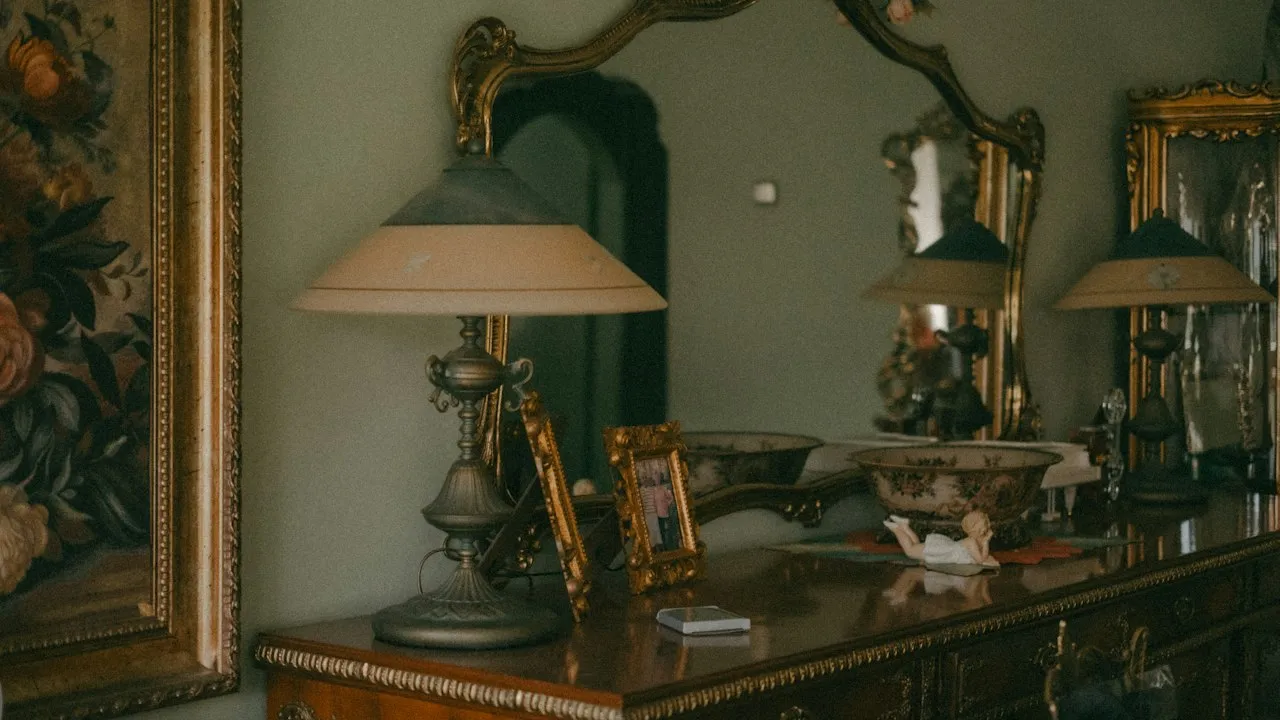
I often think of antique furniture as the steady voice in a room full of trends. It does not need to shout. It works because it carries proportion, material quality, and a visible sense of time. A table with softened edges, a chest with hand-cut joinery, or a mirror with an aged frame can ground even the simplest interior.
The appeal is not only visual. Antique pieces often offer a level of craft that is difficult to reproduce affordably in mass production. Timber selection, joinery, veneers, patina, and hardware all tell you something about how the object was made and used. That material story is part of the pleasure of collecting and living with it.
A short history of the field
Antique furniture spans many periods, but the general thread is easy to follow: furniture evolved from practical necessity into a reflection of taste, status, and social change. The Georgian, Victorian, Arts and Crafts, and early modern periods each brought distinct silhouettes and making methods. Some pieces were built for grand houses, while others were everyday items for domestic life, now valued precisely because they survived.
What I find fascinating is how each era leaves clues. Tapered legs, drawer linings, brass mounts, reeded edges, and painted finishes all help place a piece in time. The best antiques reward close looking. They make you slow down.
Recognizing the main types of antique furniture
When people ask me what counts as antique furniture, I usually answer by style, use, and period. A writing desk, a dresser, a wardrobe, a cabinet, and a dining table may all belong to different traditions, yet each can be collected and used in a contemporary home.
Common categories I see most often
| Type | Typical use | What to look for |
|---|---|---|
| Dining tables | Everyday meals, entertaining | Sturdy joinery, surface wear, proportion |
| Cabinets and sideboards | Storage, display | Original handles, veneer condition, interior layout |
| Chairs and seating | Accent or practical use | Stable frames, correct seat height, leg repair |
| Desks and writing furniture | Workspaces, entry halls | Drawer movement, old repairs, scale |
| Mirrors and occasional pieces | Decorative impact | Frame integrity, glass age, mounting details |
Styles worth knowing
A few broad styles appear again and again in the market:
- Georgian furniture: balanced, refined, often with elegant proportions.
- Victorian furniture: heavier, more decorative, frequently layered in detail.
- Arts and Crafts pieces: honest construction, visible joinery, simple lines.
- Mid-century vintage: technically not always antique, but often collected with older pieces for contrast.
I like to remind readers that style alone is not enough. A chair may look old, but the real value lies in construction, originality, and condition. The backstory matters.
How to choose antique furniture for your home
Selecting antique furniture is part instinct, part observation. I begin with the room, then the scale, then the function. A beautiful armoire can fail if it overwhelms a narrow hallway. A delicate table can disappear in a large, open-plan space. The piece must live well where you plan to use it.
Start with proportion and function
Ask yourself what the piece has to do. Should it store linens, hold a lamp, frame a fireplace, or act as a conversation piece? Once the function is clear, proportion follows. I like to measure doorways, ceiling height, and surrounding furniture before buying. It saves regret.
If you are buying for daily use, check the mechanics. Open drawers. Sit in the chair. Look for wobble, warping, or signs of poor repair. If the piece is mainly decorative, surface character may matter more than perfect utility.
Look closely at condition
Condition affects both beauty and value, but not in a simplistic way. A pristine finish is not always the most attractive choice. I often prefer a piece with honest wear, provided the structure remains sound. The trick is to distinguish age from damage.
Here are the checks I use:
• Inspect joints for looseness or later glue repair
• Examine veneers for lifting, bubbling, or loss
• Look for replaced hardware that may affect originality
• Check the underside, back, and drawer interiors for clues
• Confirm that the finish still suits the piece rather than masking it
Think about finish and patina
Patina is one of the defining pleasures of antique furniture. It is the soft sheen, the worn edge, the depth in the wood grain, the marks of repeated touch. I do not treat it as a flaw. I treat it as evidence. That said, an overpolished surface can lose warmth, while aggressive stripping can erase character permanently.
If you are new to collecting, choose one piece with strong patina and simpler lines. It is easier to live with and easier to learn from.
Using antique furniture in contemporary interiors
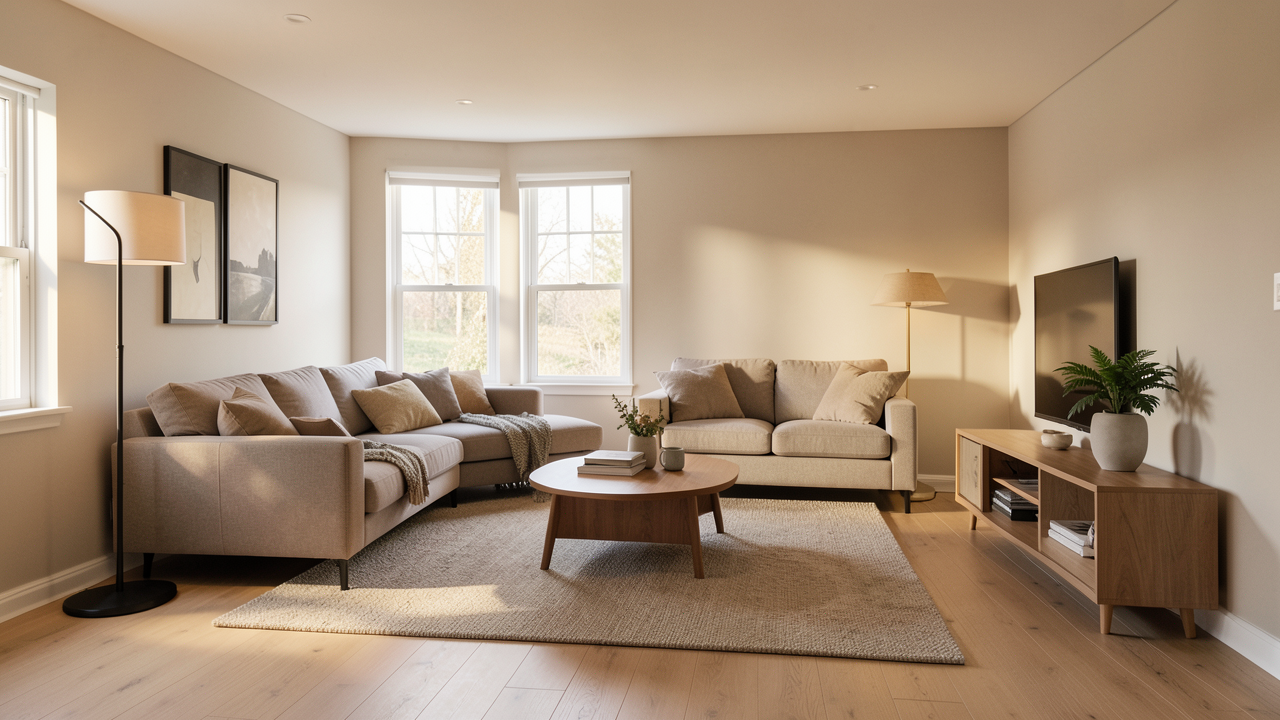
I have always found that antique furniture works best when it feels integrated rather than “placed.” A room with all antiques can be rich, but a room with one or two well-chosen pieces often feels more relaxed. The contrast between old and new gives the interior depth.
Mixing old and new without visual conflict
One practical approach is to repeat a material or color elsewhere in the room. If you have a walnut chest, echo that tone in a frame, a bowl, or a side table. If the antique is ornate, keep nearby textiles simple. If it is understated, you can afford bolder upholstery or artwork.
A useful rule of thumb:
| Antique piece | Best companion | Result |
|---|---|---|
| Carved cabinet | Plain walls, minimal lighting | Lets detail stand out |
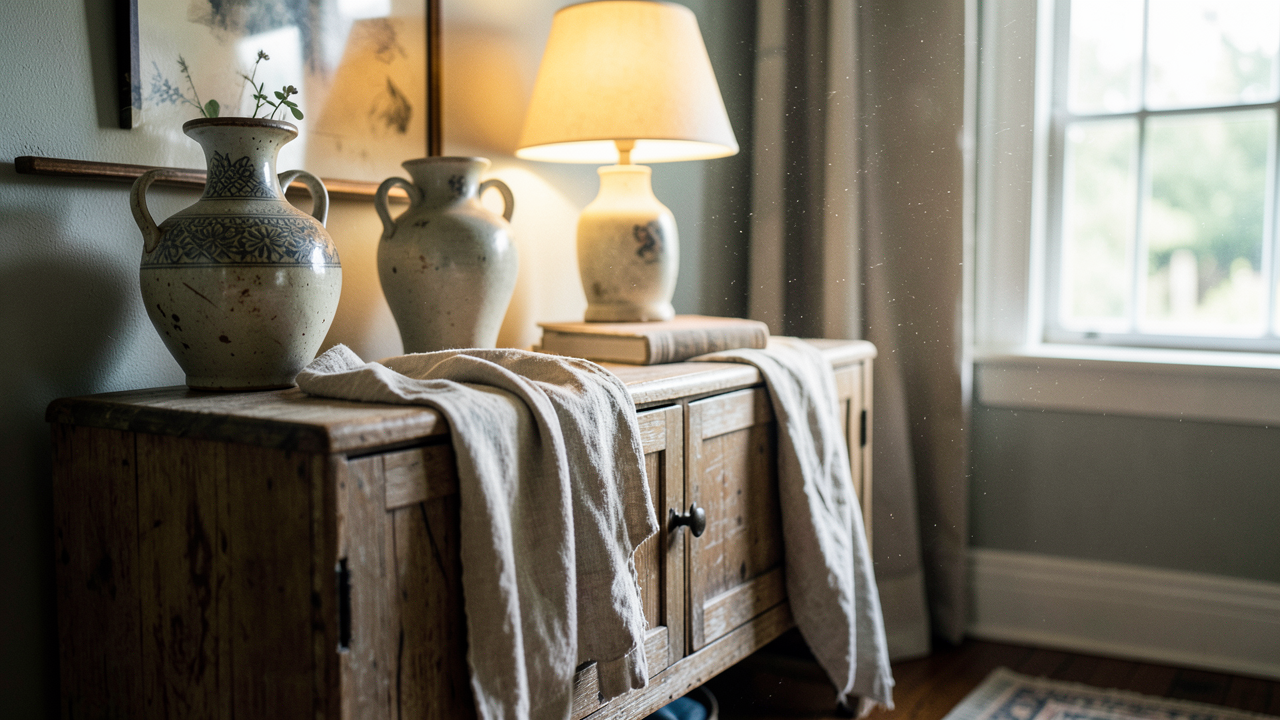
| Rustic farmhouse table | Linen, ceramics, woven textures | Warm, relaxed setting |
| Elegant writing desk | Contemporary chair, modern lamp | Balanced contrast |
| Painted chest | Neutral palette, simple artwork | Light, flexible composition |
Good room-by-room uses
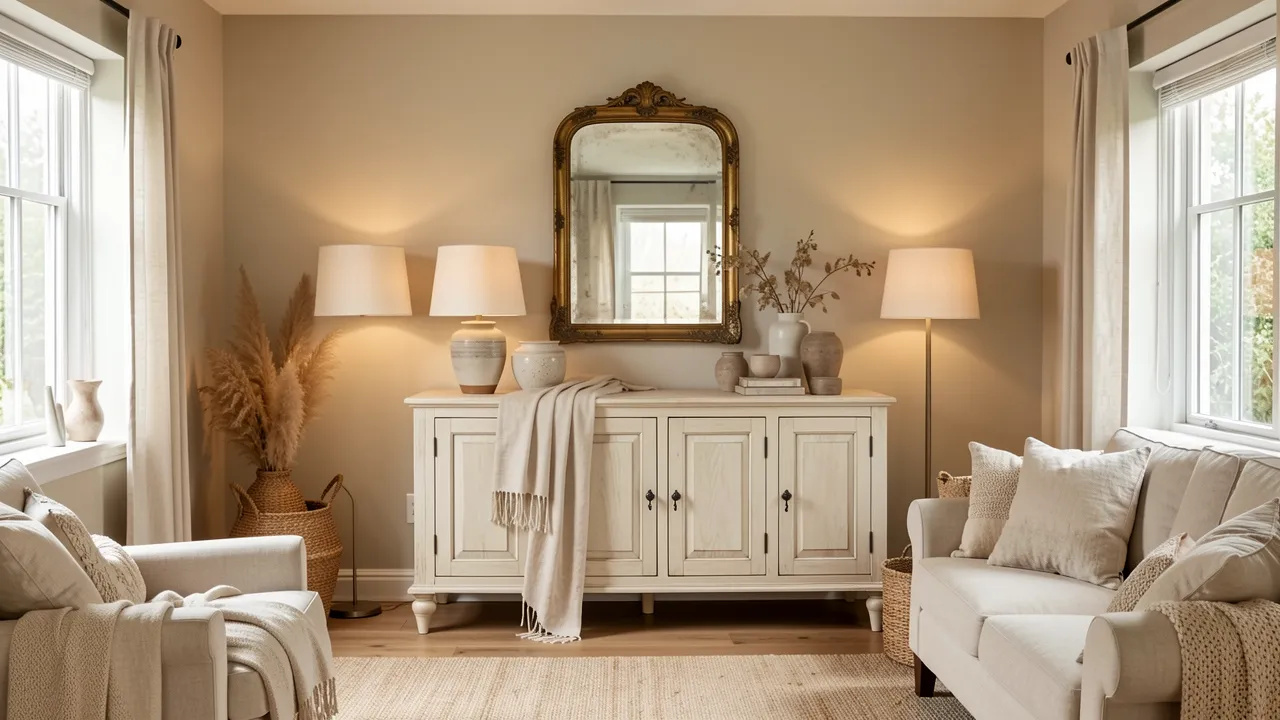
In the living room, a low cabinet or console can anchor a seating area. In the dining room, a sturdy table becomes the social center. In the bedroom, a pair of small commodes or a single chest adds weight without crowding the room. In the entry hall, one antique piece can set the tone immediately.
I also like antique furniture in less obvious places. A narrow table in a bathroom can hold folded towels and feel far more interesting than standard storage. A small writing desk in a kitchen corner can become a useful command center. The point is not to preserve furniture as museum objects; it is to let them work.
Practical buying advice from the field
Buying antique furniture can feel intimidating at first because there is so much terminology and so many opinions. I prefer a calmer approach: observe, compare, and trust evidence. The best purchase is rarely the loudest one.
What I ask before purchasing
Before I consider a piece, I ask five questions:
- Is it structurally sound?
- Does the scale suit the intended room?
- Is the style coherent, or has it been over-restored?
- Are the materials and finish appropriate to its age?
- Does the piece have enough individuality to justify the cost?
If I cannot answer at least four of those clearly, I keep looking.
Authenticity, restoration, and repairs
Not every repair is a problem. In fact, old furniture often needs them. A re-glued joint or a discreet veneer patch may be perfectly acceptable. What concerns me is over-restoration that makes a piece look new, or inconsistent repairs that suggest hidden damage. The aim is stability, not disguise.
A few signs usually deserve closer attention:
- mismatched timber on visible surfaces
- screws that do not suit the period
- fresh-looking finishes on an otherwise aged body
- drawer runners altered to improve modern function
- replacement feet, handles, or escutcheons that upset the balance
I find that reputable sellers are generally transparent. If the story sounds vague, the object usually needs a second look.
Budgeting with care
Antique furniture exists at many price points. You can spend modestly on a good occasional table, or significantly on a rare cabinet or named maker. My advice is to pay for the best condition and proportions you can manage, rather than the biggest item in the room. A small but well-made piece often gives more long-term satisfaction than a larger one with hidden issues.
Common questions readers ask about antique furniture
I receive a steady stream of the same practical questions, and they are good ones. They usually come down to care, age, and how to avoid mistakes.
Is antique furniture always fragile?
No. Many antiques are more robust than modern flat-pack alternatives, especially if they were built from solid hardwoods and maintained properly. Fragility usually comes from neglect, poor storage, or earlier bad repairs.
Should I refinish an old piece?
Only if the existing surface is failing badly and the piece needs intervention to survive. A full refinish can erase value and character. When in doubt, I prefer careful cleaning, wax maintenance, and minor stabilization over wholesale change.
How can I tell if something is genuinely antique?
Look at construction first, then wear patterns, then style. Hand-cut joints, old screws, uneven aging, and period-appropriate materials all help build the case. Labels can help, but they should never be the only evidence.
What makes a piece worth collecting?
Rarity matters, but so do elegance, usefulness, and condition. I often think the most rewarding antiques are the ones that combine all three. They are beautiful, livable, and convincing from every angle.
Caring for antique furniture so it lasts
The best care is quiet and consistent. I do not believe in overhandling antiques. Dust them gently, keep them away from harsh sunlight and heating vents, and avoid heavy moisture. A stable home environment helps wood remain calm.
For routine care, I use a soft cloth and a measured approach to cleaning products. Excessive polish can build a cloudy surface. Water rings, heat damage, and sticky residues are more common than people expect, so coasters and table pads are not fussy habits; they are practical ones.
If a piece needs repair, I prefer work that respects the original form. Good conservation should make furniture easier to use without erasing what it has already become. That balance is what keeps antique furniture compelling over time.
A simple maintenance checklist
- dust regularly with a dry, soft cloth
- use felt pads under objects and lamps
- avoid direct heat and strong sunlight
- lift, do not drag, when moving pieces
- address loose joints early
- store loose hardware safely if removed for repair
A closing note on collecting with taste
The finest antique furniture does not just fill a room; it gives the room memory. I find that the most satisfying interiors are rarely the most polished ones. They are the ones where a good table, chest, or chair feels chosen rather than arranged. If you collect with care, look closely at structure and surface, and let each piece earn its place, your home will feel richer for it.
Latest articles

How to polish silver without damaging patina
How to care for antique textiles at home
Brightening a north-facing living room with Korean-inspired antiques
How to negotiate prices at antique markets
How to display art in small spaces
How to choose glassware for every occasion
How to Spot Quality in Ceramic Pieces
How to understand silver hallmarks and maker’s marks
How to Layer Home Decor for a Balanced, Collected Look
How to identify an antique piece before you buy