

How to display art in small spaces
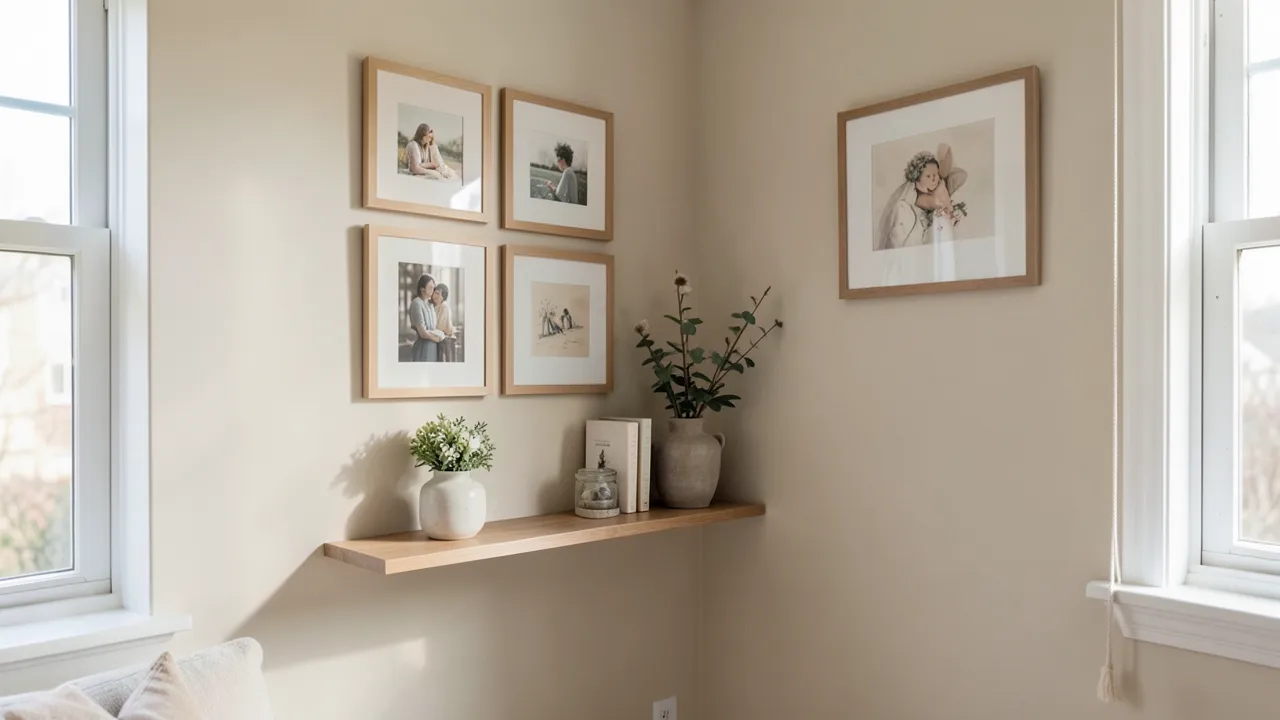
Small spaces can feel limiting at first, yet they often reward thoughtful display choices more than large rooms do. When you have fewer square metres to work with, every frame, shelf, and wall section carries more visual weight. That means your art display can shape the mood of the room, guide the eye, and even make the space feel more open. The key is not to show less personality, but to show it with sharper intent.
Start by treating the wall as part of the room’s architecture
In a compact home, art should work with the room rather than compete with it. Before hanging anything, look at how people move through the space, where natural light falls, and which walls already carry visual activity from windows, mirrors, shelving, or furniture. A narrow hallway, a corner above a reading chair, or the wall behind a sofa may each ask for a different approach.
Think in terms of balance rather than quantity. A single medium-sized work can feel calmer than several small pieces crowded together. If you do create a cluster, keep the edges aligned or the spacing intentional so the arrangement reads as one composition instead of visual noise. The wall space around the art matters as much as the art itself.
Choose scale with restraint, not hesitation
A common mistake in small rooms is assuming that only tiny artworks will fit. In practice, one larger piece often works better than many small ones because it reduces clutter and gives the eye a place to rest. A vertical piece can also add the impression of height, while a horizontal work can widen a compact room.
If you prefer smaller works, group them in a grid or salon-style layout with consistent framing. Repetition creates order, and order makes a room feel calmer. You can also vary scale within the same arrangement, but keep one visual anchor so the display does not drift.
Use vertical space to create breathing room
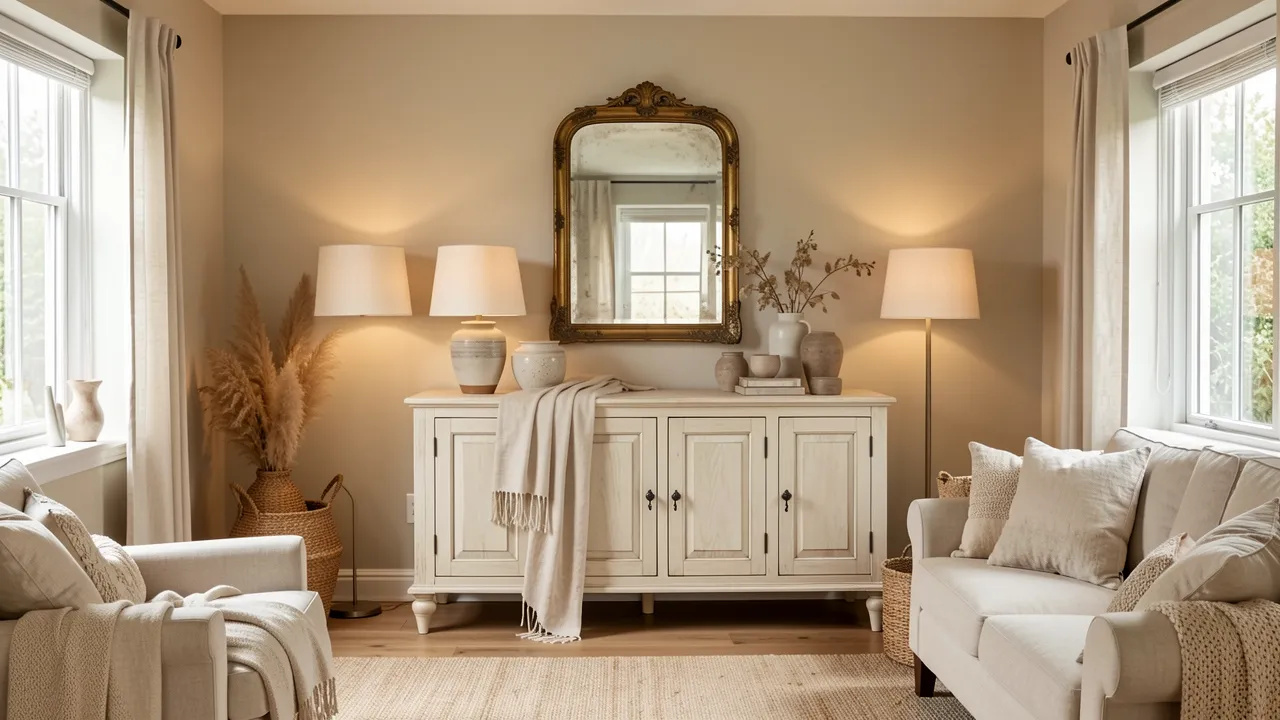
When floor area is limited, walls become your best tool. Displaying art higher on the wall can draw attention upward and make the room feel taller. This works especially well above sideboards, desks, and benches, where the lower zone stays functional while the upper zone carries visual interest.
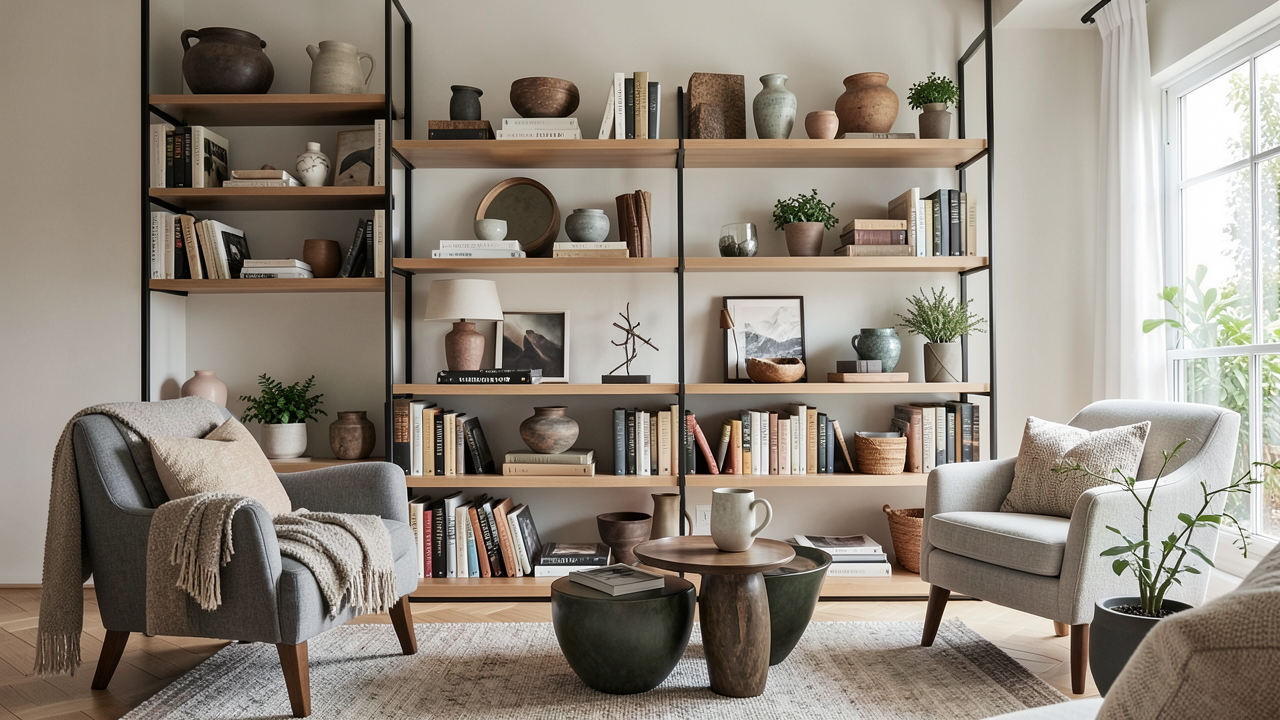
Floating shelves can be useful too. They allow you to layer framed prints, small sculptures, and books without committing to a permanent arrangement. If you enjoy changing your display seasonally, this flexibility can be a major advantage. It also lets you test combinations before making holes in the wall.
Mix formats to add depth
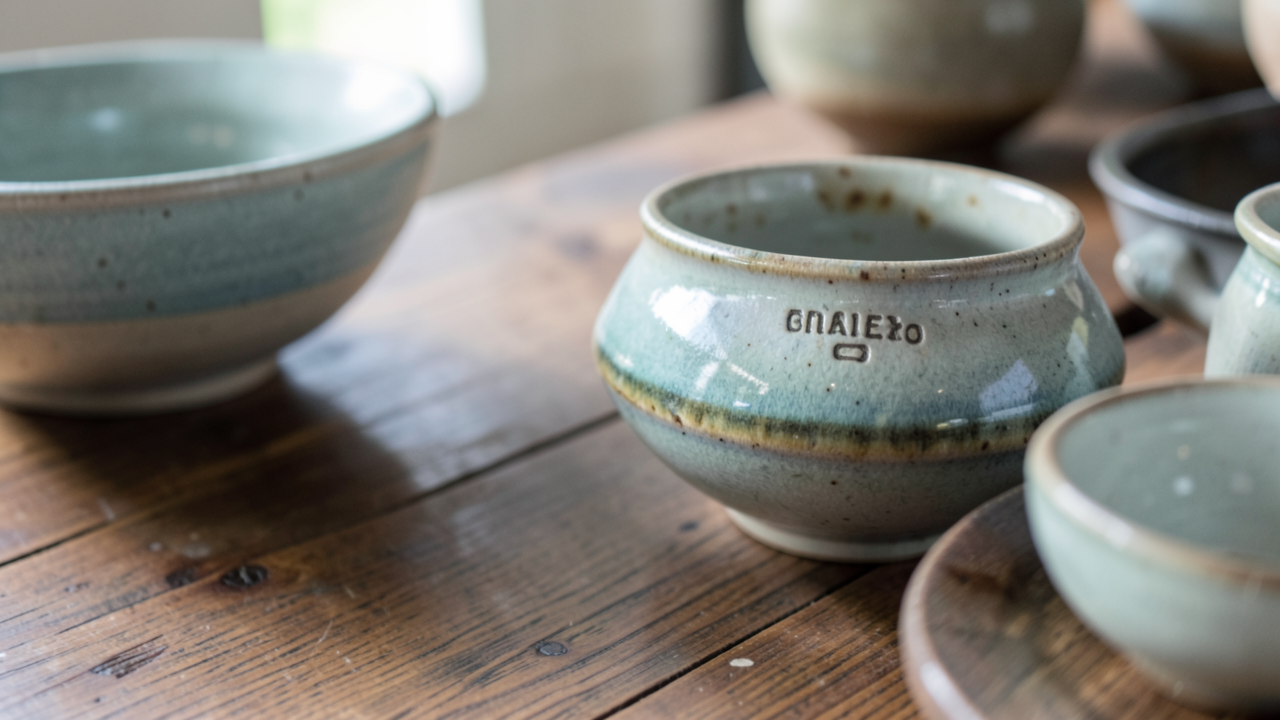
A small room benefits from a display that feels dimensional, not flat. Try combining framed artwork with unframed canvases, a narrow shelf, or a carefully placed object such as a ceramic vase or small mirror. This creates a layered composition that feels collected rather than crowded.
Texture also helps. Works on paper, textiles, metal, and wood each catch light differently. By combining materials, you introduce variation without needing extra pieces. This approach can be especially effective in monochromatic rooms, where subtle contrasts do much of the work.
Make framing and spacing do visual work
Frames can either calm a display or overwhelm it. In tight rooms, simple frames often feel lighter and more adaptable. Thin black, natural wood, or soft white frames tend to keep attention on the artwork itself. If your interior already has strong finishes, such as dark timber or brass details, echoing one of those tones can help the display feel integrated.
Spacing is equally powerful. Too little space between pieces creates congestion; too much can make a grouping feel accidental. A steady gap between frames gives the eye a rhythm to follow. This is one of the easiest ways to make a compact display look deliberate.
When you are arranging art near furniture, align the lower edge or centre line with another element in the room. That connection can make a small area feel more composed. The same logic applies when you are considering other home choices, such as How to choose furniture that fits both style and space, because visual proportion affects the whole room, not just the wall.
Let light guide both placement and mood
Natural light can elevate art, but direct sunlight may fade paper and fabrics over time. Place delicate works where they receive brightness without harsh exposure. If a room is dim, consider art with lighter backgrounds, reflective glazing, or metallic accents to help bounce light around.
Artificial lighting deserves equal attention. A small picture light, adjustable sconce, or directional ceiling fixture can turn a modest piece into a focal point. Warm light usually softens the atmosphere, while cooler light can sharpen contemporary work. Choose the effect you want the room to project.
Use reflective surfaces with care
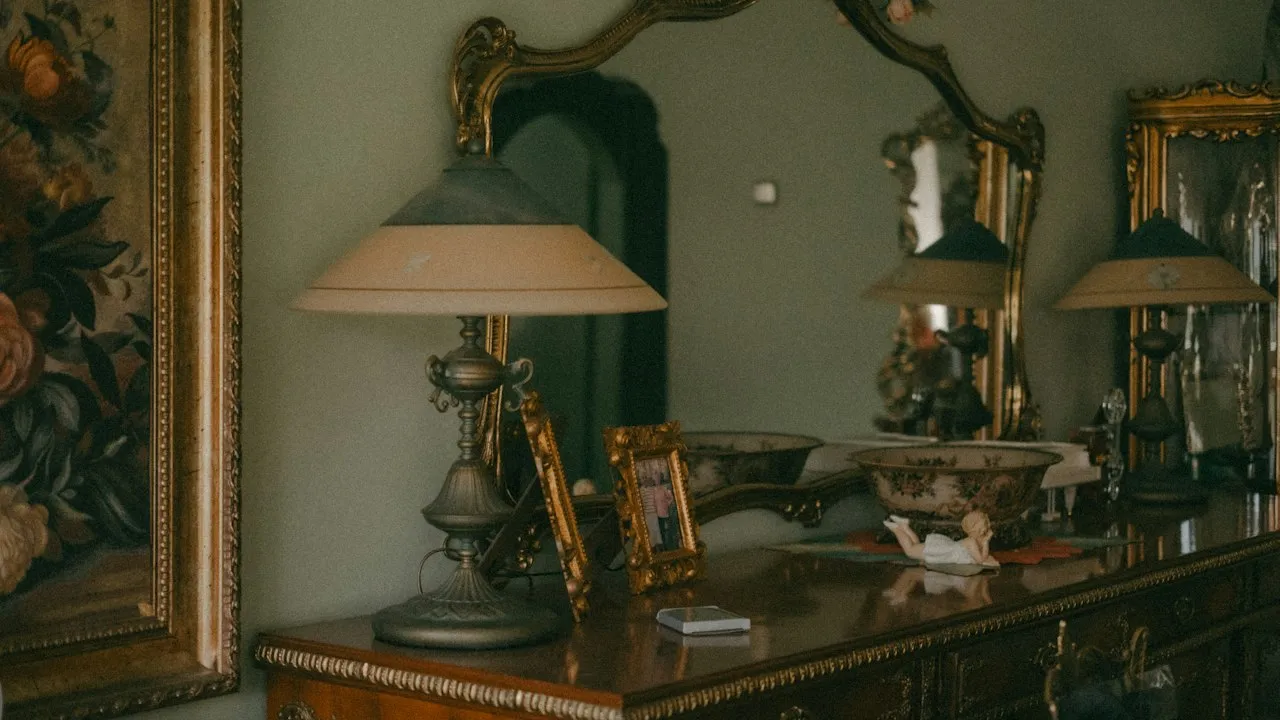
Mirrors near art can amplify light and make a compact room feel more spacious. Still, reflections can also distract from the work itself. If you use a mirror, place it where it supports the display rather than competing with it. A mirror adjacent to art often works better than one directly opposite it.
Glass-front frames also add reflection, so consider the viewing angle. In a narrow room, too much shine can become busy. A matte finish on some pieces can offset that effect and give the arrangement more depth.
Build a display that feels collected over time
A small space often tells a better story when the art appears gathered rather than purchased as a set. You do not need matching pieces to create unity. Repeated colours, similar frame tones, or a shared subject matter can tie different works together.
If your collection includes inherited prints, travel finds, personal photographs, and contemporary pieces, use framing and placement to bring them into conversation. A room feels more authentic when it reflects layers of taste and memory. For decorative objects that may accompany your art, the same principle applies as with How to choose glassware for every occasion: a strong choice depends on context, proportion, and how it will be seen among other items.
Edit regularly and trust negative space
Small rooms benefit from periodic editing. Remove one piece and see whether the wall feels clearer. Shift a frame lower or higher and notice how the room changes. This kind of adjustment can reveal that a quieter display works better than a fuller one.
Negative space is not wasted space. It gives your art room to breathe and helps each piece register more clearly. When you allow a wall to rest, the work on it becomes more noticeable, not less.
A small room can still make a strong visual statement
Displaying art in a compact home is less about fitting everything in and more about choosing what deserves attention. With careful scale, thoughtful spacing, and a clear sense of light and proportion, even one wall can carry a room’s personality.
- Use one larger piece when several small ones feel crowded.
- Keep spacing consistent so grouped works read as a single composition.
- Take advantage of vertical wall space to free the room below.
- Choose frames that support the art instead of overpowering it.
- Let lighting and reflection enhance the display without creating glare.
- Edit often so the arrangement stays calm and intentional.
When you approach the wall as part of the room’s design, your art display becomes both practical and expressive. A small space can then feel not limited, but carefully composed.