

How to Layer Home Decor for a Balanced, Collected Look
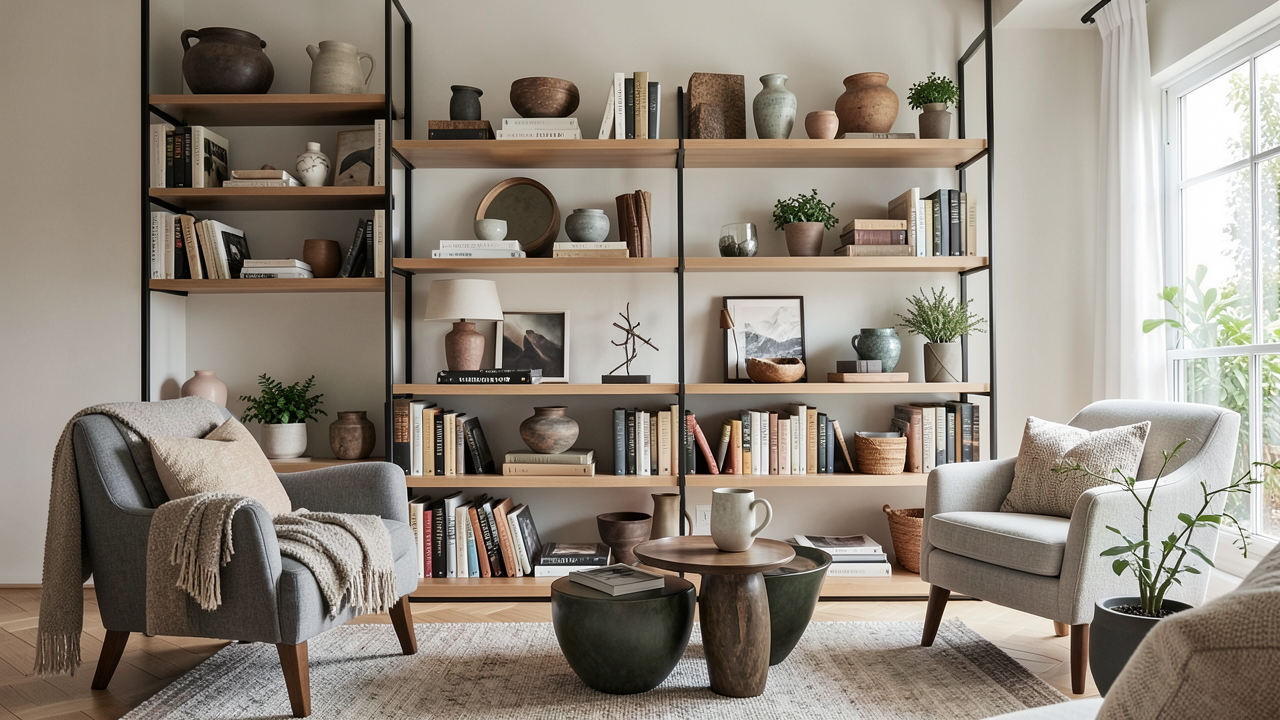
Creating a home that feels both personal and polished rarely comes from buying everything in one matching set. I find that the most inviting rooms are built over time, with layering decor that mixes texture, scale, color, and meaning. When you arrange objects thoughtfully, your space begins to look collected rather than crowded, and your rooms feel lived-in without losing structure. That balance is what many people want when they search for home decor ideas that feel timeless instead of trendy.
Start With a Calm Base
A balanced room begins with restraint. I usually start by choosing a foundation that gives the eye a place to rest: a neutral wall color, a consistent wood tone, or a simple sofa in a soft fabric. This does not mean your home must be plain. It means that your strongest decorative choices will stand out more clearly.
When the base is steady, every later layer has room to breathe. A patterned pillow, a vintage lamp, or a ceramic vessel looks more intentional when it is not competing with too many other loud elements. For cohesive interior design, I like to think of the background as a quiet frame for the objects you care about most.
Build Depth Through Texture and Height
A collected room gains character from contrast. Smooth surfaces next to rough ones, matte finishes beside reflective details, tall pieces near low ones — these pairings keep a room from feeling flat.
Mix Materials With Purpose
I often combine:
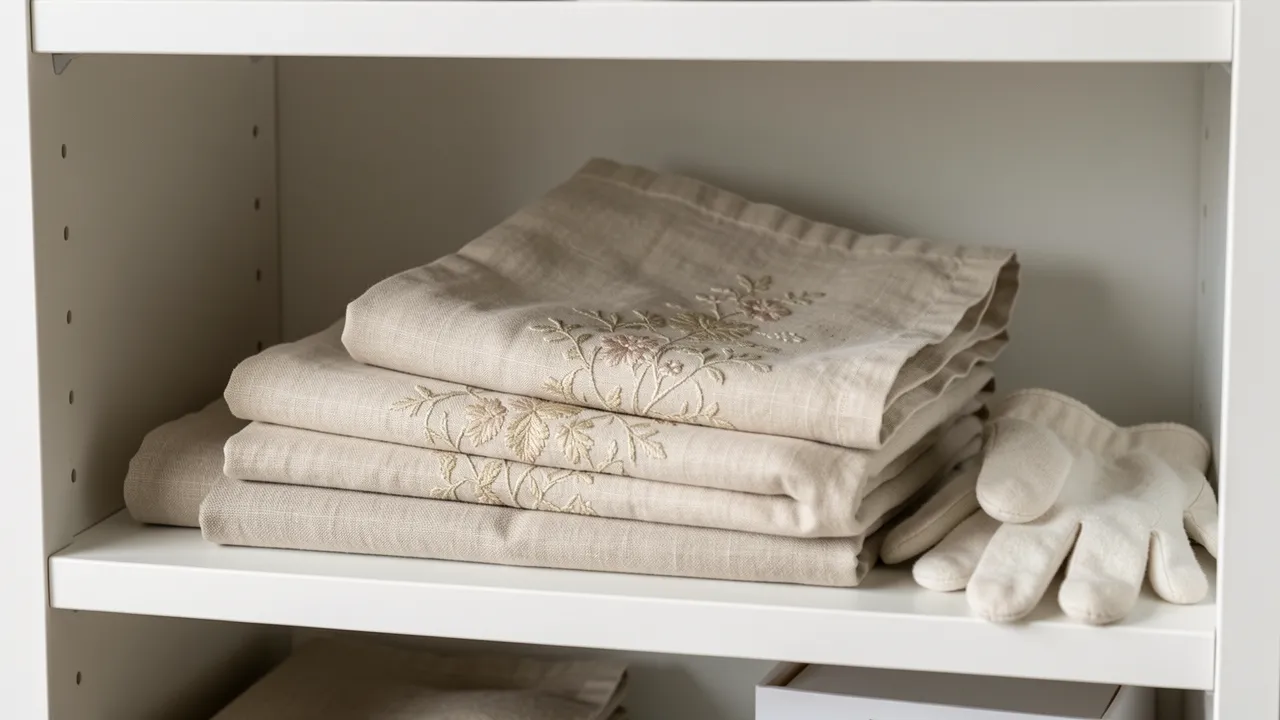
- Linen, wool, or boucle for softness
- Wood and rattan for warmth
- Glass, metal, or mirrored accents for light
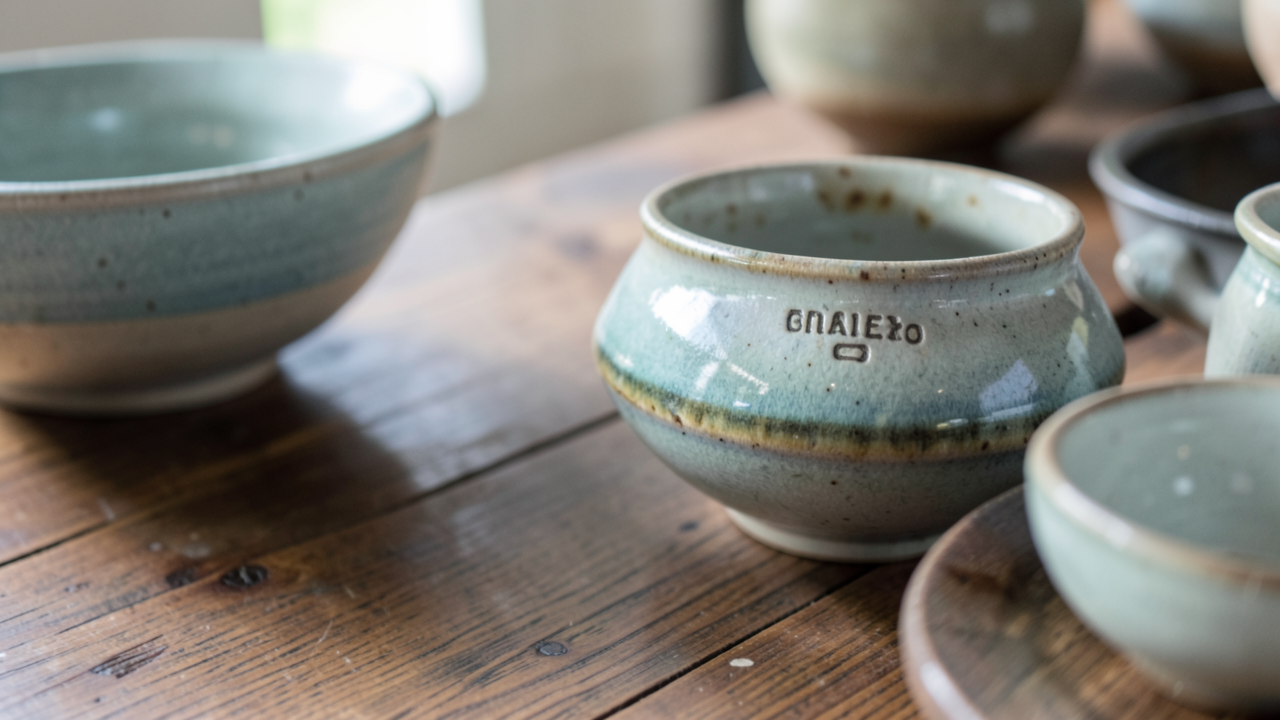
- Stone, ceramic, or pottery for an organic feel
You do not need to use every material in every room. Instead, repeat a few finishes in different forms so the space feels connected. A brass picture frame, a lamp base with a similar tone, and a small tray can echo one another without becoming repetitive.
Vary the Visual Height
One of the easiest ways to improve a vignette is to vary height. Stack books under a small object, place a tall branch in a vase, or lean framed art behind a shorter decorative piece. This creates movement and keeps the arrangement from appearing static.
Styling Shelves With Intention
When I am styling shelves, I think in small scenes rather than in individual objects. Each shelf should feel complete on its own, but also relate to the shelves above and below it.
Use the Rule of Three
Grouping objects in threes often creates a natural rhythm. For example, a stack of books, a small sculpture, and a candle can look balanced without feeling stiff. Odd-number groupings usually read as more relaxed and organic than perfect pairs.
Leave Space Empty
Negative space matters as much as decoration. If every shelf is packed, the eye has nowhere to pause. I like to leave one section open on each shelf, which makes the entire arrangement feel lighter and more intentional.
Repeat a Few Elements
To create unity, repeat one or two features across the shelving unit:
- A recurring color
- A consistent frame finish
- Similar ceramic tones
- A repeated natural material, such as wood or wicker
This repetition ties the shelves together while still allowing variety.
Layer Decor Room by Room
Each room benefits from a different kind of layering. The goal is not to copy the same formula everywhere, but to adjust your approach to the function of the space.
Living Room: Comfort and Conversation
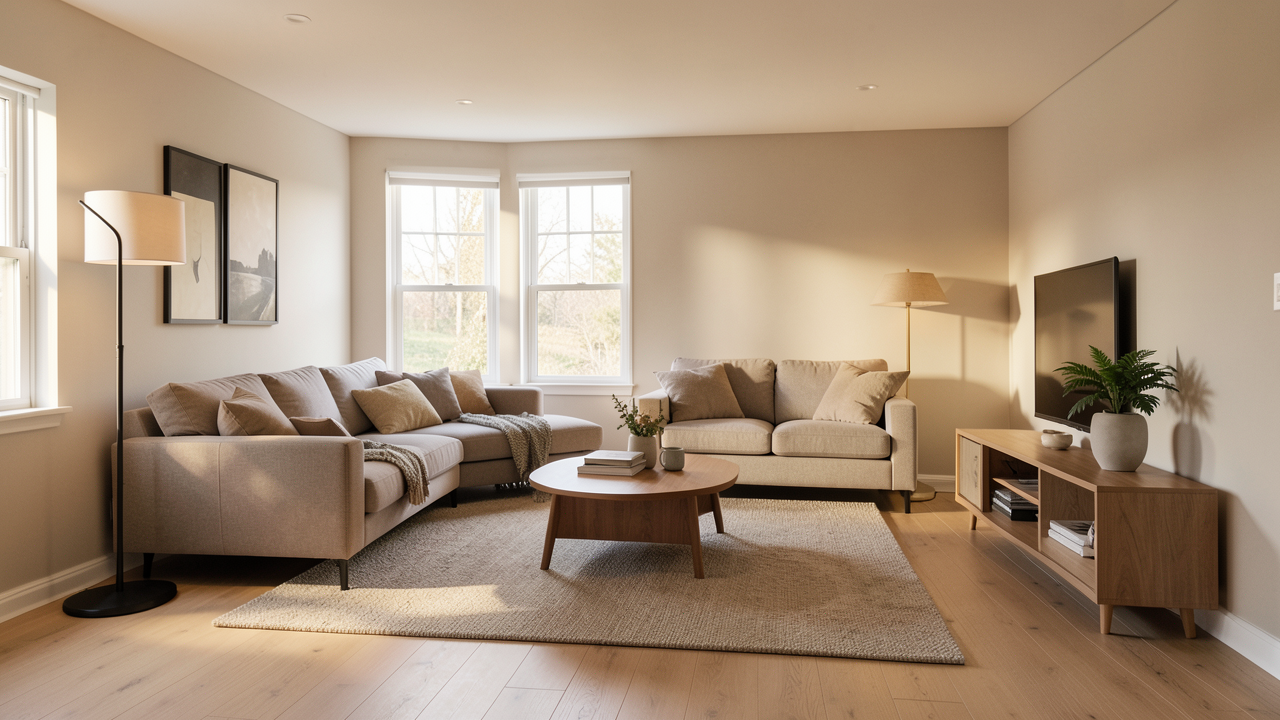
In the living room, I layer from large to small. I begin with the main furniture, then add rugs, pillows, throws, lighting, artwork, and tabletop objects. A rug anchors the seating area, while cushions and blankets soften the geometry of the furniture.
I also like to include at least one personal item — a framed photograph, a travel find, or a handmade object — so the room reflects the people who use it.
Bedroom: Softness and Rest
Bedrooms benefit from quieter layering. Linen bedding, a textured throw, a bedside lamp with a warm bulb, and one or two meaningful accessories can make the room feel calm and complete. I prefer fewer objects here, but I still want each piece to have visual weight.
Entryway: First Impression With Restraint
The entryway sets the tone for the rest of the home. A mirror, a small console, a tray for keys, and a vase of greenery can be enough. This is a good place to introduce the palette and materials that appear elsewhere in the home, helping your cohesive interior design feel deliberate from the moment someone walks in.
Create a Collected Look Without Clutter
A collected home does not look newly purchased all at once. It looks as though each object has earned its place. To achieve that feeling, I focus on editing.
Edit by Color and Tone
Even when I use different styles, I try to keep the palette controlled. Warm woods, muted neutrals, deep greens, or earthy blues can bridge objects that come from different periods or stores. You can mix old and new, but if the tones relate to one another, the room will feel unified.
Combine Old and New
A room becomes more interesting when it contains a mix of eras. I often pair a contemporary sofa with a vintage side table, or a modern lamp with an antique bowl. The contrast adds personality and makes the space feel less staged.
Edit With a Photographer’s Eye
Sometimes I step back and look at a room as if I were photographing it. Are there too many small items competing for attention? Is there one large empty wall that needs balance? Does one color appear only once and feel disconnected? Small adjustments often make the biggest difference.
Simple Principles to Keep in Mind
- Layer from large to small: rugs, furniture, textiles, then accessories.
- Repeat materials and colors to create visual connection.
- Mix textures so the room feels rich and dimensional.
- Vary height and shape to avoid a flat arrangement.
- Leave breathing room so objects can stand out.
- Blend old and new for a more personal, collected feel.
A More Thoughtful Home Comes From Editing
When I approach decorating this way, I am not chasing perfection. I am building a home that feels calm, personal, and visually connected. The most successful home decor ideas are usually the ones that respect balance: enough variation to keep things interesting, enough consistency to make the whole room feel settled. If you focus on texture, scale, repetition, and meaningful objects, your rooms will feel layered in the best possible way — relaxed, refined, and unmistakably yours.