

How to choose furniture that fits both style and space
Choosing furniture that fits both style and space is a balancing act I know many people struggle with. A sofa may look perfect in a showroom, yet feel oversized at home; a dining table may suit the room visually but block circulation once delivered. When I approach choosing furniture, I start with one simple idea: the best piece is not only attractive, but also proportional, practical, and aligned with the way you live. This furniture buying guide will help you make decisions with more confidence, whether you are furnishing a studio flat, refreshing a living room, or refining a whole home.
Start with the room, not the showroom
Before I look at finishes or fabrics, I measure the space. That means noting wall lengths, ceiling height, window placement, door swings, radiators, and traffic paths. I also sketch the room or use painter’s tape on the floor to mark the footprint of larger items. This gives me a realistic sense of scale.
Measure the furniture zone
A room rarely needs to be filled completely. Instead, I identify the main zone the furniture will occupy. For example:
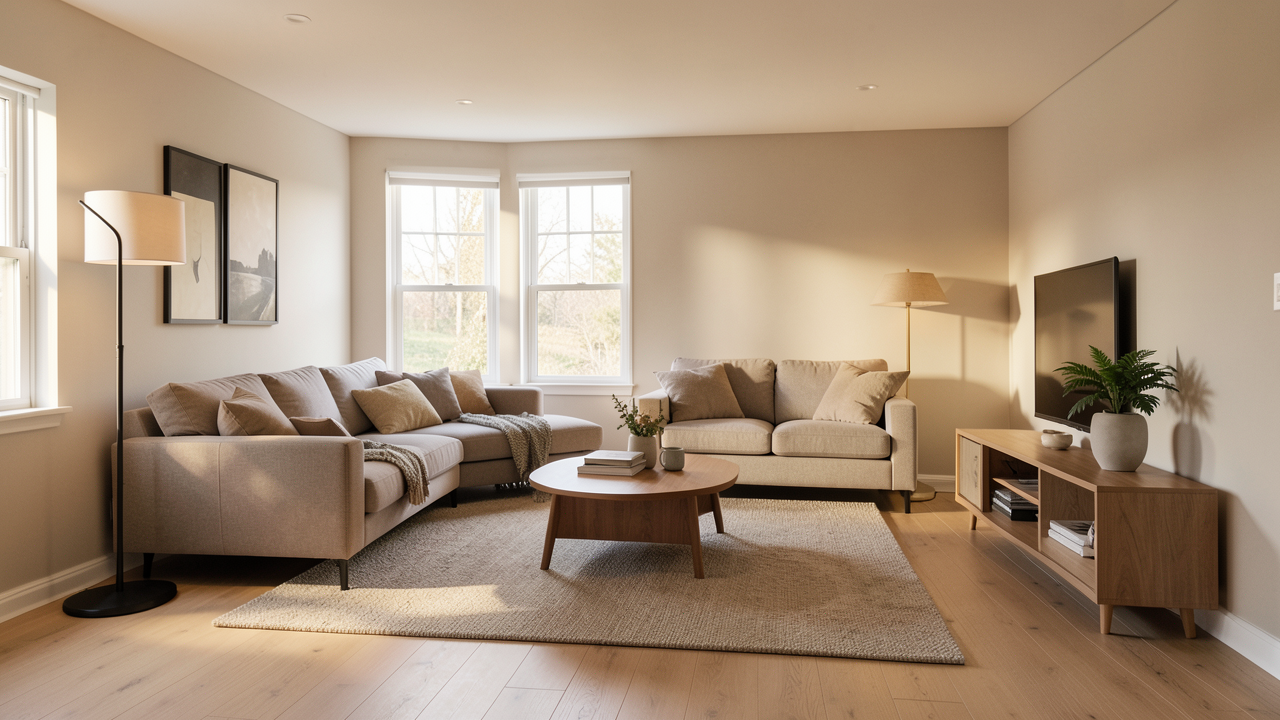
- In a living room, I map the seating area and the distance between sofa, coffee table, and TV.
- In a bedroom, I check clearance around the bed, wardrobe doors, and bedside tables.
- In a dining area, I allow room for chairs to pull out comfortably.
A piece can look compact in a catalogue and still overwhelm a room if it disrupts movement. That is why scale matters just as much as style.
Leave breathing room
I aim to keep visible floor space where possible. A room feels calmer when furniture does not press against every wall. Even in small space furniture layouts, a little openness makes the room easier to use and more pleasant to live in.
Match furniture to your home furniture styles
When I think about home furniture styles, I avoid mixing too many ideas at once. A space feels more cohesive when furniture shares some common traits, such as material, colour family, line shape, or overall tone.
Identify your style direction
You do not need to name your style perfectly, but it helps to know the general mood you want. Common directions include:
- Modern: clean lines, minimal ornament, smooth finishes
- Scandinavian: light woods, airy forms, functional design
- Traditional: deeper tones, curved details, classic silhouettes
- Industrial: metal accents, raw textures, practical shapes
- Mid-century inspired: tapered legs, warm wood, streamlined profiles
If your room already contains key pieces, I choose new furniture that supports them rather than competes with them.
Use one visual thread
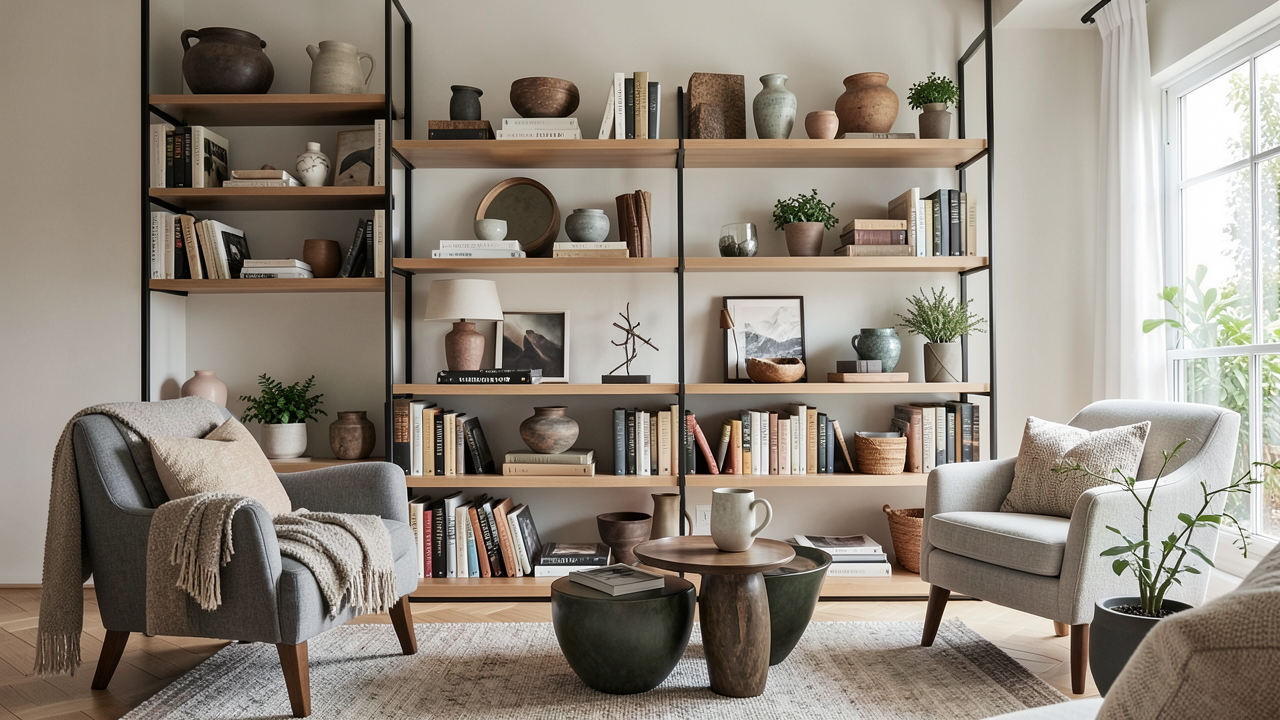
A visual thread might be a repeated wood tone, a consistent metal finish, or a shared colour accent. For example, if your shelving uses black metal, a side table with the same finish can help unify the room. This creates harmony without making everything identical.
Choose furniture that works at human scale
Comfort is often ignored when people focus too much on appearance. I always check how a piece performs at the scale of the body.
Think beyond the photograph
A chair can look elegant but sit too low. A table can seem sleek but prove awkward to use. I consider:
- Seat height and depth
- Table height relative to chairs or sofas
- Arm height in relation to desks and tables
- Storage access and drawer clearance
Good furniture supports daily routines. If you use a desk for long hours, a beautiful chair that causes discomfort is a poor choice. If you host often, a table that seats only half the guests you expect may not suit your lifestyle.
Prioritise flexibility
For smaller homes, I often recommend pieces that adapt: nesting tables, extendable dining tables, ottomans with storage, or modular shelving. These are smart options when choosing furniture for changing needs.
Make small spaces feel larger
When space is limited, I focus on visual lightness and smart function. The goal is not to hide furniture, but to make every item earn its place.
Look for airy forms
Furniture with legs rather than solid bases tends to feel lighter. Transparent or reflective materials can also reduce visual weight. A slim sofa, a narrow console, or a round table may serve better than bulky alternatives.
Scale down without shrinking comfort
Small does not have to mean cramped. I prefer:
- Sofas with narrow arms
- Dining chairs without oversized backs
- Beds with integrated storage
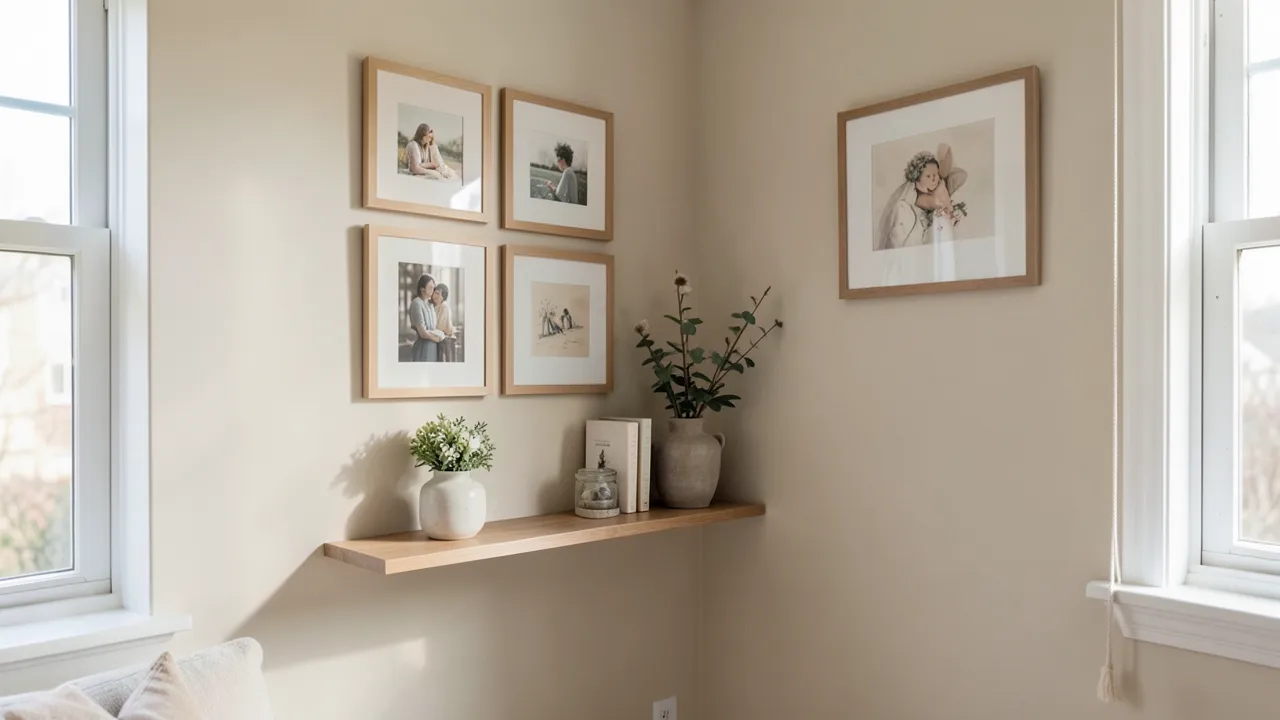
- Wall-mounted shelves instead of deep bookcases
These choices preserve comfort while saving space. In a compact room, one well-designed item often works harder than two smaller but less functional ones.
Balance quality, budget, and longevity
I see furniture as a long-term investment, so I assess durability alongside price. A lower-cost piece can be fine for short-term use, but for items used daily, construction matters.
Check the materials and build
I look at frame materials, joinery, hardware, and upholstery. Solid wood, quality veneers, sturdy metal, and well-finished edges often signal better longevity. If a piece wobbles in the shop or has flimsy fittings, I take that as a warning.
Spend where you feel it most
I usually invest more in items that carry the most use: sofas, beds, mattresses, dining chairs, and desks. Decorative side pieces can be more budget-friendly. That way, the room feels polished without overspending everywhere.
Shop with a clear plan
A structured approach saves time and prevents mistakes. My personal furniture buying guide starts with a shortlist of needs, then narrows options based on measurements, style, and function.
Ask these questions before buying
- Does the piece fit the room dimensions with space to move?
- Does it complement my existing home furniture styles?
- Will it suit my daily habits and storage needs?
- Is it comfortable, durable, and easy to maintain?
- Will I still like it after the novelty fades?
If the answer is uncertain, I wait. A slower decision often leads to a better room.
A practical closing note for better choices
The best furniture choices are rarely the most dramatic ones. They are the pieces that make a room feel balanced, usable, and distinctly yours. When I focus on proportion, style harmony, and real-life function, I get better results every time. If you approach choosing furniture with a measured plan, your home can look refined without feeling crowded.
Key points to remember
- Measure the room before shopping.
- Leave enough clearance for movement and doors.
- Match new pieces to your existing home furniture styles.
- Choose small space furniture with light visual profiles and flexible functions.
- Prioritise comfort, durability, and everyday use.
- Use a shortlist and compare options against your real needs.
With the right approach, you can build a home that feels both stylish and spacious, even when square footage is limited.