

How to negotiate prices at antique markets
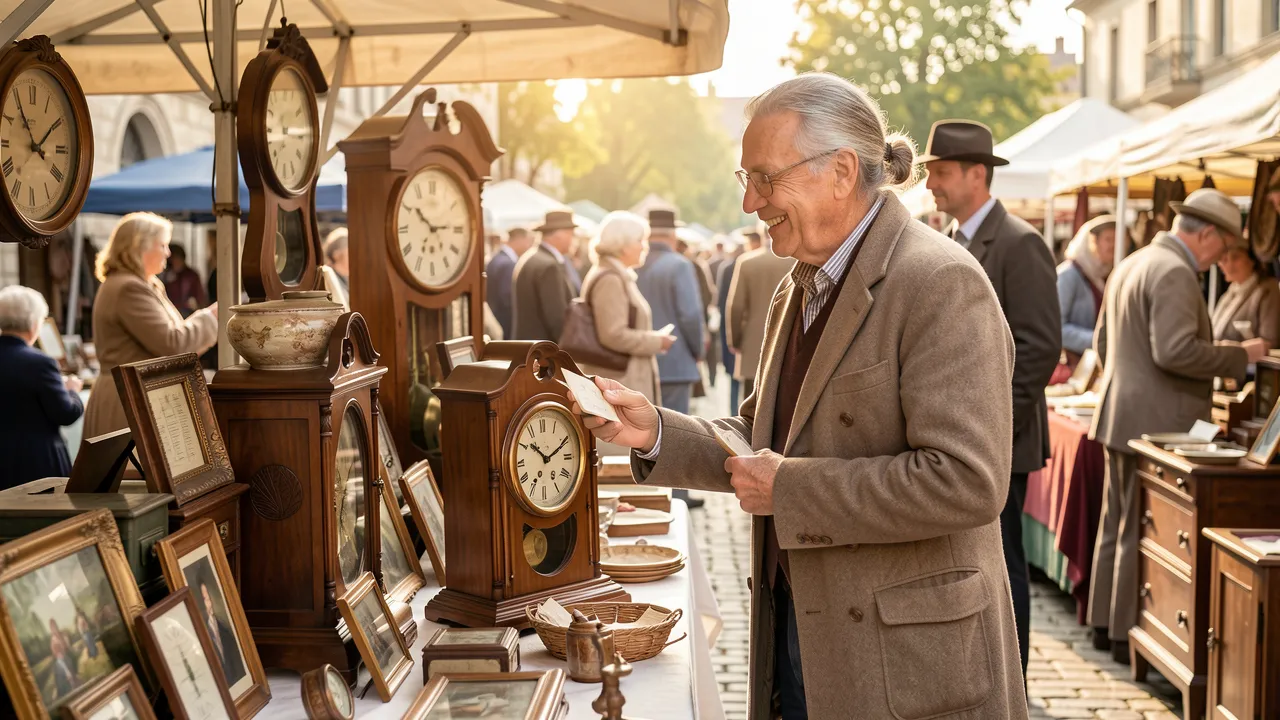
Antique markets offer more than distinctive furniture, ceramics and decorative objects. They also create room for conversation about price. A thoughtful negotiation can help you buy within budget while respecting the dealer’s expertise and the real value of an older piece. The aim is not to “win” at someone else’s expense, but to agree on a figure that feels fair to both sides.
Preparation gives you a stronger position at the market
Negotiation begins before you reach a stall. Decide what you are seeking, whether it is a Georgian mirror, a set of dining chairs, vintage lighting or small decorative accessories. Set a maximum budget that includes transport, restoration and any specialist cleaning.
Research comparable items online, but compare carefully. Two apparently similar pieces may differ greatly in condition, age, provenance, materials and quality of craftsmanship. A hand-cut glass vase with a tiny rim chip is not directly comparable to an undamaged signed example.
Auction results can provide useful reference points, although auction prices usually exclude buyers’ premiums and may not account for a dealer’s storage, restoration and selling costs. The Antiques Trade Gazette auction results database can help you review realised prices for specific categories.
Bring measurements for the space you are furnishing. A bargain is not a bargain if the sideboard cannot pass through your doorway or overwhelms the room. Keep a tape measure, photographs of your interior and a list of preferred dimensions on your phone.
Inspect the piece before discussing a lower price
A polite, informed question is more effective than an immediate low offer. Ask about the object’s date, origin, materials, repairs and history. Dealers often know details that are not apparent from the label, and their answers can help you judge whether the asking price is justified.
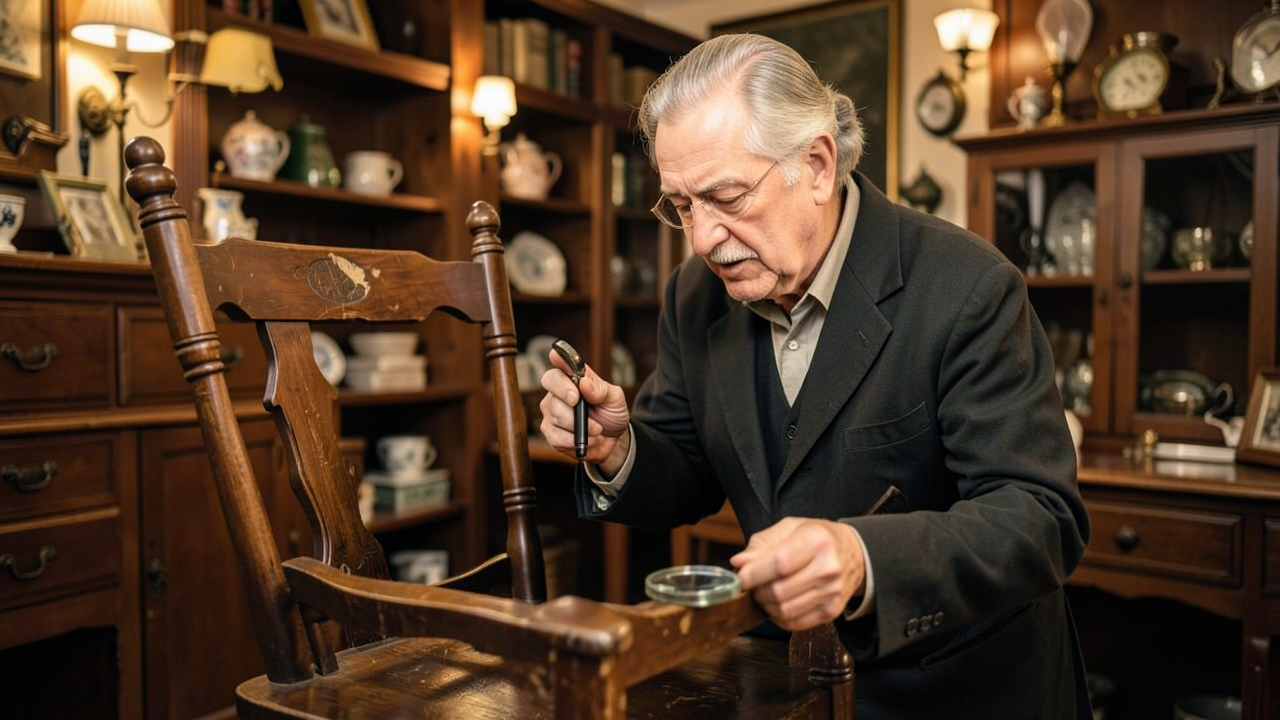
Examine condition in good light. Look underneath tables, inside drawers and along joins. Check for woodworm holes, loose veneer, replaced handles, cracks in ceramics, chips on glass and repairs to upholstery. Wear is expected on genuinely old items, but undisclosed damage affects value and future restoration costs.
For furniture, open drawers and test whether they run smoothly. Look for consistent timber and construction across the piece. For paintings, ask whether the frame is original and inspect the surface for lifting paint or pronounced cracking. With clocks and lamps, ask to see the mechanism or wiring, then factor in professional servicing.
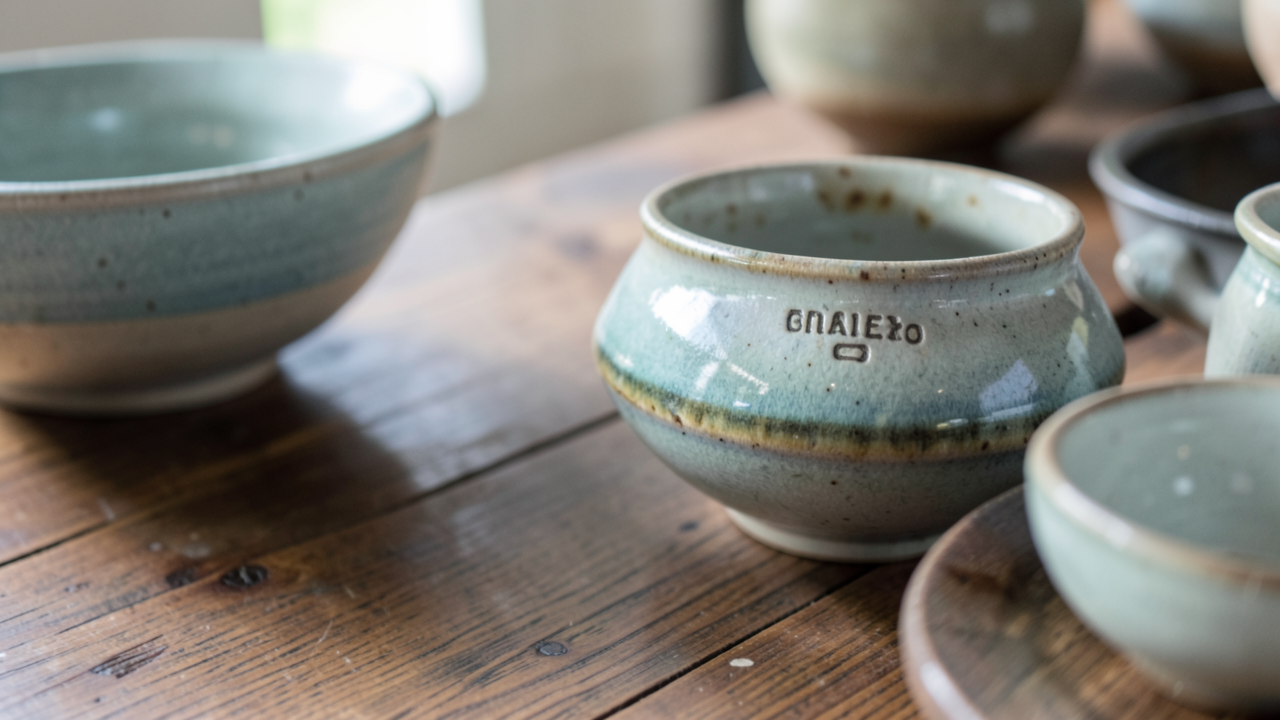
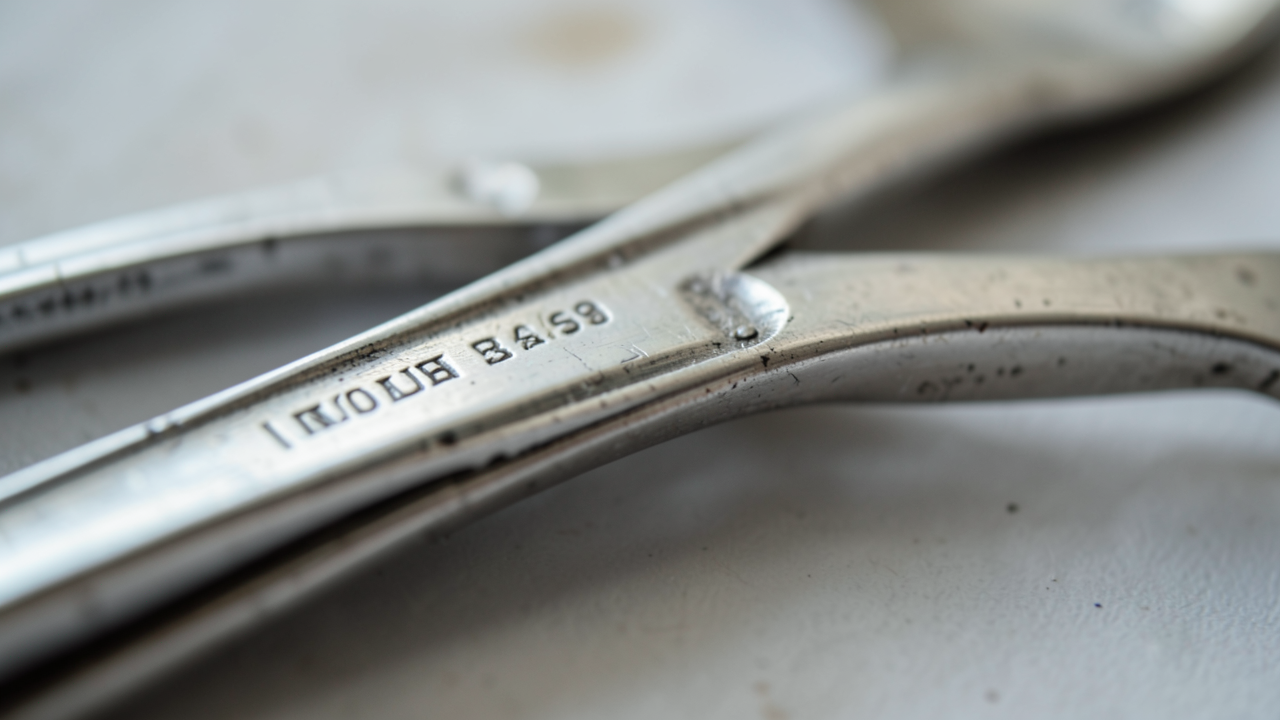
Silver requires a different approach because marks can identify its maker, assay office and date. Before making an offer on a tray, candlestick or tea service, use How to understand silver hallmarks and maker’s marks to distinguish solid silver from plated wares and to interpret the marks you find.
Start the conversation with a realistic offer
Once you have assessed the item, ask whether there is flexibility in the price. This is more courteous than assuming a reduction is guaranteed. Many dealers expect sensible negotiation, particularly at markets where stock must be transported, displayed and packed away each day.
Make an opening offer that is credible and specific. A proposal that is moderately below the ticket price allows room for discussion without signalling that you do not value the item. For example, if a chest is marked at £420, an offer of £350 may begin a productive exchange. Offering £150 without a reason is likely to end it.
If you are concerned about a flaw, explain it plainly: “I like the cabinet, but the damaged veneer will need repair. Would you consider £280?” This links your offer to a practical cost rather than treating the dealer’s price as arbitrary.
Avoid inventing defects or claiming that another seller offered the same object for less. Dealers often recognise these tactics immediately. Honesty builds goodwill, especially if you may return to the same market in future.
Use timing and payment wisely
The best moment to negotiate varies. Early in the day, dealers may be less willing to reduce a price because they have only just set up and expect strong interest. Later in the day, they may be more open to moving larger or difficult-to-transport stock. However, waiting carries a risk: another buyer may purchase the item first.
Cash can sometimes support a small discount, but do not assume it will always do so. Many dealers prefer card payments for security and record-keeping. Ask what payment methods are accepted before agreeing a final price.
Buying more than one item can give you leverage. If you want a pair of lamps and a framed print from the same stand, ask for a combined price. Dealers may appreciate clearing several pieces at once, while you gain a more meaningful saving than you might achieve on one low-priced object.
Know when to accept, pause or walk away
A negotiation does not need to end with a discount. If the dealer explains why the price is firm, such as recent restoration, a rare maker or documented provenance, decide whether the item still represents good value to you. Paying the ticket price can be sensible when the object is exceptional and you are confident in its condition.
If you need time, ask whether the dealer can hold the item briefly. Take a photograph of the label and stall location, then compare alternatives elsewhere in the market. Do not expect a dealer to reserve it for hours without a deposit.
Walking away politely protects both your budget and the conversation. You can say, “Thank you, it is a lovely piece, but it is beyond my budget today.” A dealer may make a revised offer, or you may find a more suitable item later.
Negotiate antique market prices with confidence
A successful purchase combines enthusiasm with restraint. The most satisfying pieces are not always the cheapest ones, but those whose condition, character and price suit your home and budget.
- Research comparable prices before you visit, while allowing for condition and provenance.
- Inspect every item carefully and ask direct questions about repairs, age and materials.
- Make a realistic offer that reflects the piece’s quality and any restoration required.
- Consider a combined price when buying several objects from one dealer.
- Be ready to leave politely when the final figure exceeds your limit.