

How to care for antique textiles at home
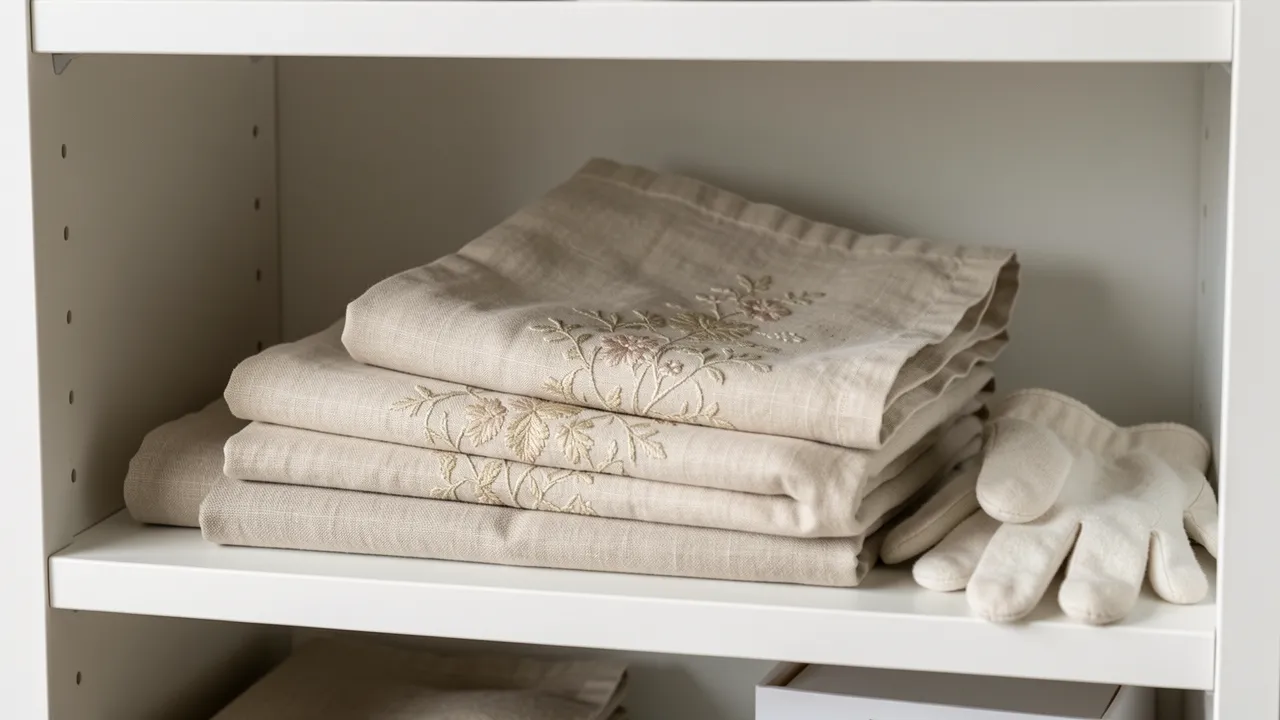
Antique textiles bring warmth, history and character to a home, but their fibres are often more fragile than they appear. Silk, wool, linen and cotton can all react badly to light, moisture, dust and handling. With calm routines and a restrained approach, you can protect quilts, samplers, lace, costume pieces and embroidered textiles without turning your home into a museum store.
Start by understanding the textile’s condition
Before cleaning, hanging or folding an item, examine it in good daylight. Look for loose threads, thinning areas, splits along folds, insect damage, stains, mould, fading and brittle fabric. Support large pieces fully while inspecting them, rather than lifting them from one corner.
A textile that feels powdery, tears when gently moved, has active mould, or carries a strong musty smell should be assessed by a professional conservator. Home care is best reserved for stable pieces that can tolerate careful, limited handling.
If you are unsure about age, materials or construction, compare the piece with other period objects before making storage or display decisions. You may find useful guidance in How to identify an antique piece before you buy.
Handle fabrics as little as possible
Each movement places stress on aged fibres. Wash and dry your hands before handling textiles, and remove rings, watches or bracelets that could catch on embroidery and lace. For very delicate fabrics, clean cotton gloves can be helpful, although bare, freshly washed hands may provide better grip for smooth or slippery materials.
Use both hands and support the weight from underneath. Place a tray, clean sheet or acid-free tissue beneath smaller pieces when moving them between rooms.
Keep light, heat and humidity under control
Light is one of the most damaging forces for antique fabric. Sunlight fades dyes quickly, while strong indoor lighting can gradually weaken fibres. Avoid displaying textiles opposite windows, near conservatories or beneath bright spotlights.
Choose a wall away from direct daylight and use lined curtains, blinds or UV-filtering window film where practical. Rotate displayed textiles every few months, particularly embroidered samplers, coloured quilts and painted silk panels. Rotation gives one area a rest rather than exposing it continuously.
Heat and damp are equally troublesome. Avoid lofts, garages, basements and rooms with fluctuating temperatures. A steady, dry living space is generally safer than a location that becomes cold and damp in winter or hot in summer. Keep textiles away from radiators, fireplaces, exterior walls and kitchens.
For further advice on environmental care, the Victoria and Albert Museum offers guidance on caring for textiles and dress.
Store antique textiles with gentle support
Flat storage is usually the safest option for small and medium-sized textiles. Use an archival box, drawer or lidded container lined with acid-free tissue paper. Place tissue between folds so that sharp creases do not become permanent weak points.
Where space is limited, roll sturdy textiles around an acid-free tube or a clean, padded roll. Cover the roll with washed, unbleached cotton before adding the textile, then place a loose cotton cover around the outside. Rolling works well for rugs, lengths of fabric and some tapestries, provided fragile surfaces are protected.
Avoid common household storage materials
Ordinary cardboard, coloured tissue paper, plastic bags and newspaper can cause staining, trapped moisture or chemical transfer. Cedar chests may deter some insects, but their oils and enclosed conditions are not ideal for delicate fabrics.
Avoid vacuum-sealing antique textiles. Compression can damage raised embroidery, distort fibres and trap unnoticed moisture. If you use a plastic storage box for short-term protection, ensure the textile is wrapped in acid-free tissue and the box is stored in a dry, stable room.
Clean with restraint and patience
Dust is abrasive, yet vigorous cleaning can cause greater harm than dust itself. For sound, robust textiles, place a clean nylon screen or fibreglass mesh over the surface and vacuum through it using the lowest suction setting. Keep the nozzle above the mesh rather than dragging it across the fabric.
Do not use a vacuum on loose embroidery, metallic threads, beadwork, flaking painted surfaces, weak lace or areas with tears. A soft natural-bristle brush may remove loose surface dust from a sturdy frame or backing, but it should not be used aggressively on the textile itself.
Never machine-wash, tumble-dry, bleach or dry-clean an antique textile unless a qualified textile conservator has advised that treatment. Water can shrink fibres, set stains, cause dyes to run and distort old stitching. Stains are part of an object’s history, but active mould, sticky residues and pest contamination require specialist attention.
Display pieces without putting them under strain
Framing can protect a sampler, fragment or small embroidery when done correctly. Use UV-filtering glazing, acid-free mounting materials and a spacer so that the textile does not rest against the glass. Avoid glue, adhesive tape, staples and pins.
For larger wall-hung pieces, spread the weight across a broad support. A fabric sleeve sewn by a conservation-minded textile specialist is safer than hanging from clips or nails. Heavy quilts and tapestries should not hang permanently, since gravity can stretch their upper edges.
When using antique textiles on furniture, reserve fragile pieces for low-contact areas. A robust woven cover may be placed on a table for occasional use, while a fine lace cloth or silk runner is better displayed where it will not be touched, spilled on or exposed to food.
A simple routine protects textiles over time
A modest schedule helps you notice change before damage spreads:
- Inspect stored textiles twice a year for insects, damp and new creases.
- Air the storage area, while keeping fabrics away from direct sunlight.
- Rotate displayed pieces to limit fading and strain.
- Keep food, drinks, candles and pets away from vulnerable fabrics.
- Photograph each item and record its condition, dimensions and known history.
- Seek professional help for mould, pest activity, severe staining or structural damage.
Careful stewardship keeps antique textiles beautiful
Antique textiles reward a light touch. By limiting light exposure, providing stable storage, reducing handling and avoiding improvised cleaning methods, you give delicate fibres the best chance of lasting for future generations. Your home can still feel lived in and welcoming, while each textile receives the thoughtful care its age deserves.