

Renovating a period room while protecting antique furniture
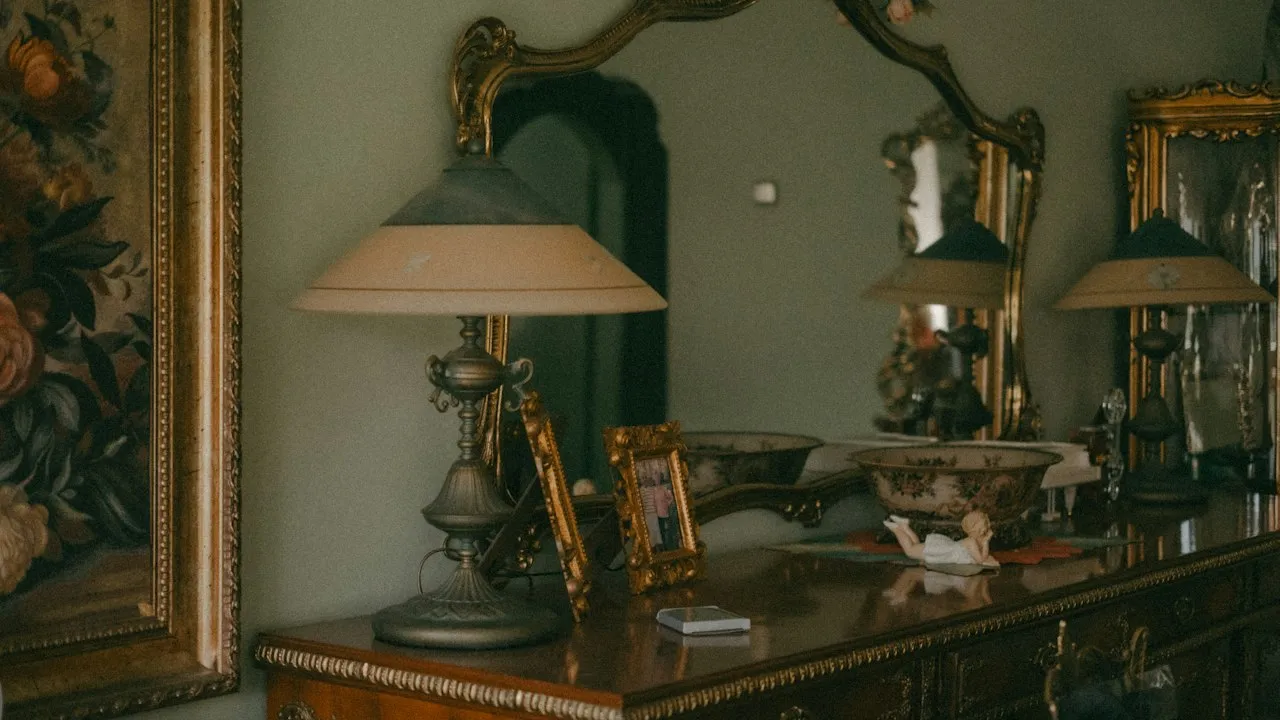
Renovating a period room asks you to balance two responsibilities: preserving the building’s original character and protecting the antique furniture that gives the space its identity. Behind decorative concerns, older interiors may conceal damp, friable plaster, outdated wiring, uneven floors, and damaged timber. A thoughtful sequence of inspection, repair, protection, and finishing will help you improve the room without exposing valuable objects to avoidable harm.
Start with the building fabric, not the furniture arrangement
Before choosing paint colours or moving a cabinet back against the wall, assess the room as a working interior. Look for tide marks, peeling paint, musty odours, cracks that widen toward corners, soft skirting boards, and powdery plaster. These symptoms may point to condensation, a leaking roof, failed guttering, rising damp, or movement in the structure.
For practical advice on common home improvement tasks, from wall preparation to interior repairs and room planning, babiola.fr can be a useful reference. Older rooms often need a methodical approach to plaster, paint, ventilation, and surface preparation rather than a rapid cosmetic update. Guidance on compatible materials and careful sequencing can help you avoid sealing moisture into walls or creating unnecessary mess around period finishes. Use renovation advice as a starting point, then adapt it to the age and condition of your home.
Do not assume that every crack requires major work. Fine, stable hairline cracks in old lime plaster can be superficial, while a crack that is new, broadening, or accompanied by sticking doors may justify professional assessment. Likewise, persistent damp should be traced to its source before any redecorating begins. Painting over moisture marks may hide them briefly, but it will not protect the wall, the room’s air quality, or nearby antiques.
“A period room keeps its character when repairs respect what is already there.”
Moisture needs attention before antiques return
Antique wood, veneer, leather, paper, textiles, and metal all react to unstable humidity. A damp wall behind a chest of drawers can encourage mould, warp veneers, stain fabric linings, and corrode fittings. Keep furniture away from affected walls until the cause has been resolved and the masonry has had time to dry naturally.
Avoid aggressive drying methods that create sudden temperature changes. Instead, improve controlled ventilation, repair external defects, and use gentle heating appropriate to the season. If you see active mould, salt deposits, widespread staining, or rotten timber, consult a qualified damp specialist or conservation-minded building professional. Their diagnosis should distinguish between genuine moisture ingress and ordinary condensation, which require different remedies.
Plan dust, access, and storage before work begins
Renovation dust is more than an inconvenience. Fine plaster particles can settle inside drawers, lodge in carved details, scratch polished surfaces during cleaning, and affect textiles. Lead-based paint may also be present in older homes, particularly beneath later paint layers. If you suspect hazardous materials, stop work and seek specialist advice.
Create a clear work plan before the first wall is sanded or ceiling is opened. Decide which furniture can remain, which should move to another dry room, and which requires off-site storage. The safest option for fragile, high-value, or irreplaceable pieces is usually temporary relocation.
For objects that must stay in the room, use layered protection:
- Cover furniture first with breathable cotton sheets or conservation-grade covers.
- Add a loose outer layer of plastic sheeting only during dusty work, never tightly sealed for long periods.
- Raise items from floors if stripping, washing, or repairing surfaces nearby.
- Remove lampshades, framed works, small decorative objects, and loose textiles.
- Seal doorways with temporary dust barriers and use a vacuum with a suitable fine-particle filter.
- Keep a photographic inventory of furniture condition before work starts.
Ventilation still matters during dusty projects. Open windows when weather and security allow, but avoid placing antiques in a direct draft or in strong sunlight. If contractors are working in several rooms, establish a clean route for moving furniture and materials so that protected spaces do not become passageways.
Choose finishes that suit the age of the room
Once walls, ceilings, and timberwork are stable, select finishes with the room’s construction in mind. Many older houses contain lime plaster, soft brick, or timber that benefits from breathable materials. Dense modern coatings may trap moisture where traditional paints and finishes would allow the substrate to regulate more naturally.
For repaired plaster, ask your contractor whether lime-based materials are appropriate. On sound, previously painted surfaces, preparation may involve gentle cleaning, local filling, and carefully chosen primers rather than extensive stripping. Test any proposed method in an inconspicuous area, particularly on original joinery, panelling, or decorative mouldings.
Low-odour, low-VOC paints are often more comfortable to use around furnishings, but ventilation is still necessary while coatings cure. Allow adequate drying time before returning antiques to the room. Fresh paint smell is not the only concern: residual humidity from plaster repairs, washing, or decorating can be harmful to wood and textiles.
Furniture placement also deserves attention. Leave a small gap between large pieces and external walls to permit air circulation. Avoid placing antiques directly over radiators, beside unshielded fireplaces, or in intense sunlight. Use felt pads beneath legs, especially on newly restored timber floors, and make sure heavy cabinets are stable before loading shelves.
A careful renovation preserves the room’s lived-in history
A successful period-room renovation does not require making everything look new. Patina, minor irregularities, aged timber, and traditional plaster contribute to the atmosphere that makes antique furniture feel at home. Your goal is to repair deterioration, improve comfort, and protect the room’s materials without erasing its history.
Keep these principles in mind as you plan the work:
- Investigate damp, plaster, and structural movement before decorating.
- Remove or protect antiques before sanding, stripping, drilling, or painting begins.
- Use breathable, compatible materials where the existing fabric calls for them.
- Maintain stable conditions of temperature, ventilation, and humidity after renovation.
- Call qualified professionals for electrical defects, active moisture, suspected hazardous paint, or structural concerns.
Renovating period interiors while safeguarding antiques
When you renovate in the right order, the result can be both practical and authentic. Repair the building fabric first, control dust and moisture throughout the work, and reintroduce furniture only once the room is clean, dry, and properly ventilated. This measured approach protects your antiques while allowing the period interior to remain a comfortable, distinctive part of your home.